





You finish a workout feeling good. Then, a few hours later—or the next morning—your legs suddenly feel heavy, tired, or harder to move than usual.
If you've ever wondered why your legs feel heavy after a workout, you're not alone. This feeling is common after challenging lower-body training, running, cycling, sports, or simply doing more than your body is used to.
But there's an important distinction: heavy legs aren't always the same as sore muscles.
Understanding what your body is telling you can help you decide what you may need next—whether that's light movement, mobility work, a little extra recovery time, or a more targeted approach.
Why Do My Legs Feel Heavy After a Workout?
The most common reason for heavy legs after a workout is temporary muscle fatigue. When your legs work hard, your muscles use energy repeatedly, and they may simply need time to recover before they feel fresh again.
The feeling can be more noticeable when you:
- Increase your workout intensity or volume
- Try a new exercise or sport
- Do a demanding leg workout
- Run, cycle, jump, or train for a longer time than usual
-
Have several hard training sessions close together
Muscle Fatigue After Exercise
Muscle fatigue doesn't always feel like pain. Sometimes your legs simply feel slower, heavier, or less powerful than they normally do.
For example, after a tough leg day, walking up the stairs might suddenly feel like more work than usual. That's a very different experience from having a sharp or persistent pain.
A Higher Training Load Than Usual
Your body responds to the workload you give it. If you suddenly add more weight, distance, repetitions, or training days, your legs may feel noticeably more fatigued.
This is one reason heavy legs after exercise can happen even when you haven't done anything unusual—you may simply have asked more from your muscles than they're accustomed to.
Fatigue Without Significant Soreness
You don't have to be sore to be tired.
It's possible to have tired legs after a workout without experiencing much muscle soreness. Soreness and fatigue can overlap, but they aren't the same experience.
That's why the first step in recovery is paying attention to how your legs actually feel.
Heavy, Sore, Tight or Tired? What's the Difference?
Not every uncomfortable feeling after exercise means the same thing. A quick comparison can help you understand what you're experiencing.
| Feeling | What It May Feel Like | Commonly Associated With |
|---|---|---|
| Heavy | Legs feel weighed down or harder to move | Muscle fatigue or training load |
| Tired | Less energy or strength than usual | Exercise-related fatigue |
| Sore | Achy or tender muscles | Post-exercise soreness / DOMS |
| Tight | Tense or restricted movement | Muscle tension or mobility needs |
For example, heavy legs after exercise may simply mean your muscles are fatigued, while soreness may become more noticeable later. You can also experience more than one of these sensations at the same time.
The goal isn't to put a label on every feeling. It's to understand what your body may need so you don't automatically push through it—or stop moving completely.
How Can You Recover From Heavy Legs After a Workout?
There's no single recovery routine that works for everyone. The right approach depends on how hard you trained, how your body feels, and what you have planned next.
Start With Light Movement
If your legs feel heavy but not painful, completely stopping may not always be necessary.
An easy walk, gentle cycling, or a few minutes of comfortable mobility work can help you stay active without adding another demanding workout.
Think less intensity, not necessarily zero movement.
Prioritize the Basics
Good recovery doesn't have to be complicated.
Getting enough sleep, staying hydrated, eating well, and allowing enough time between demanding workouts all matter when you're dealing with leg fatigue after exercise.
If your training load keeps increasing while your recovery time stays the same, your legs may continue to feel tired from one session to the next.
Use Targeted Recovery Tools When They Fit
Recovery tools can be another option when they make sense for your routine.
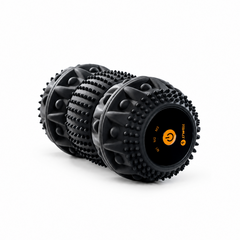
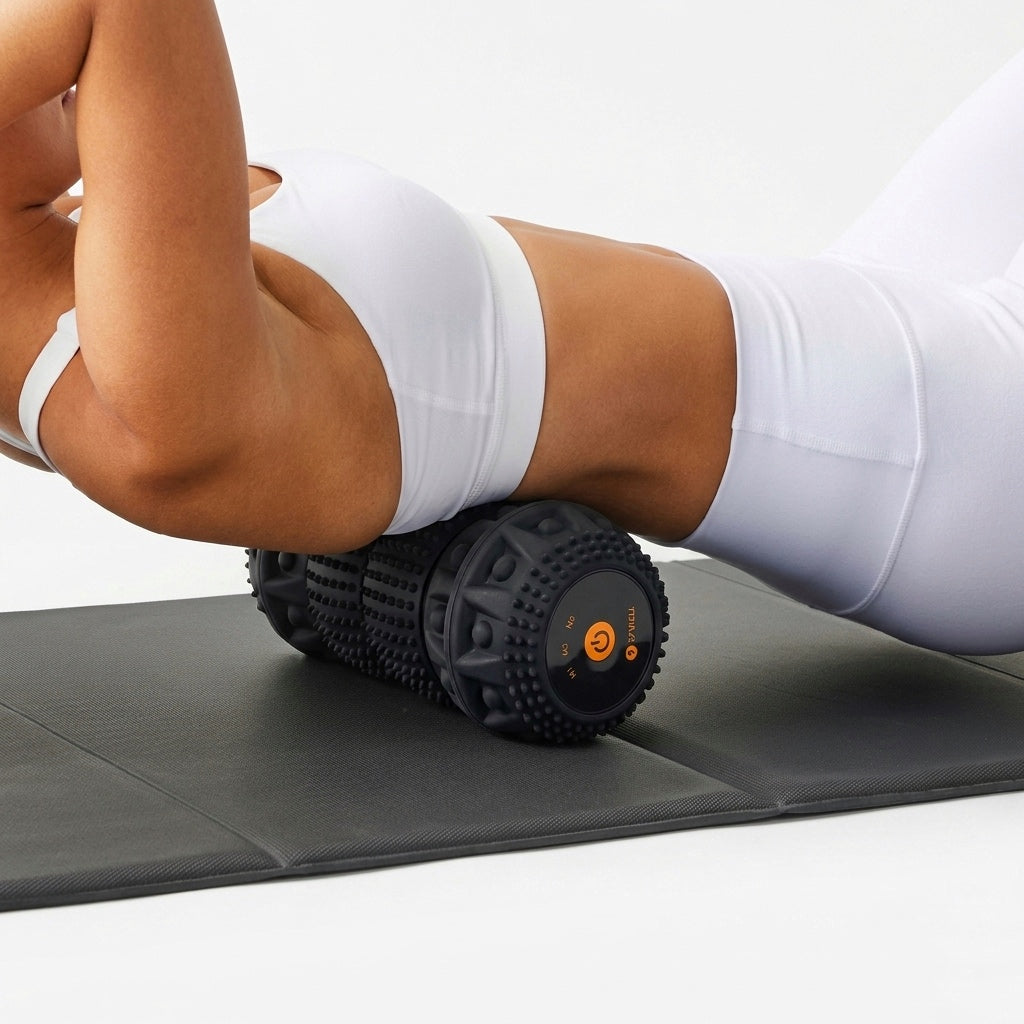
A massage gun can provide targeted percussive massage to areas such as the quads, hamstrings, and calves. A vibrating foam roller takes a broader rolling approach and can be useful when you want to work across larger muscle groups.
Neither needs to be the entire recovery plan. Think of them as tools that can complement movement, mobility, rest, and your everyday recovery habits.
For more targeted recovery, you can explore the 17Well EM2 Mini Massage Gun or compare different approaches in our guide to Massage Gun vs Foam Roller.

| What You're Feeling | What You Can Consider | Training Approach |
|---|---|---|
| Mild heaviness | Light movement or mobility | Normal activity may be reasonable |
| Mild fatigue | Lower-intensity movement | Reduce training intensity |
| Tightness | Mobility or targeted recovery | Avoid pushing through discomfort |
| Significant fatigue | More recovery time | Consider resting |
| Pain or unusual symptoms | Appropriate professional advice | Don't train through it |
Should You Rest or Keep Training?
So, should you work out if your legs feel heavy?
It depends on the degree of fatigue.
If your legs are only mildly tired and you can move normally, an easier session or light activity may be reasonable. But if your legs feel significantly fatigued, your performance has noticeably dropped, or your movement feels compromised, giving yourself more recovery time may be the smarter choice.
And if what you're feeling is pain rather than ordinary post-workout fatigue, don't assume you simply need to “push through.” Persistent or worsening pain, significant swelling, unusual weakness or other concerning symptoms deserve appropriate professional attention.
Recovery isn't about avoiding exercise. It's about matching your next activity to what your body is ready for.
Quick Answers About Heavy Legs After a Workout
Why do my legs feel heavy after a workout?
Heavy legs after a workout are often related to temporary muscle fatigue, increased training load, unfamiliar movements, or not having enough recovery between demanding sessions.
Why do my legs feel heavy but not sore?
Your muscles can experience fatigue without significant soreness. Feeling heavy or tired doesn't necessarily mean you'll develop DOMS or noticeable muscle tenderness.
Are heavy legs the same as DOMS
No. DOMS is associated with delayed muscle soreness, while heavy legs more commonly describe a feeling of fatigue, heaviness, or reduced ease of movement. The two can occur together, but they're not identical.
How can I recover from heavy legs after exercise?
Start with the basics: sleep, hydration, nutrition, and appropriate recovery time. Light movement, mobility work, massage, or a foam roller may also fit into your routine depending on how your legs feel.
Should I work out if my legs feel heavy?
Mild fatigue doesn't always mean you need a full rest day, but significant fatigue is a good reason to reduce intensity or rest. If you experience pain or unusual symptoms, don't treat them as ordinary workout fatigue.


Hinterlasse einen Kommentar
Diese Website ist durch hCaptcha geschützt und es gelten die allgemeinen Geschäftsbedingungen und Datenschutzbestimmungen von hCaptcha.