



17WELL Recovery Technology
Muscle Recovery Techniques & Tips
Your Body Is Built on Cycles
Every movement creates stress. A consistent muscle recovery routine helps your body reset, adapt, and stay ready for what’s next.


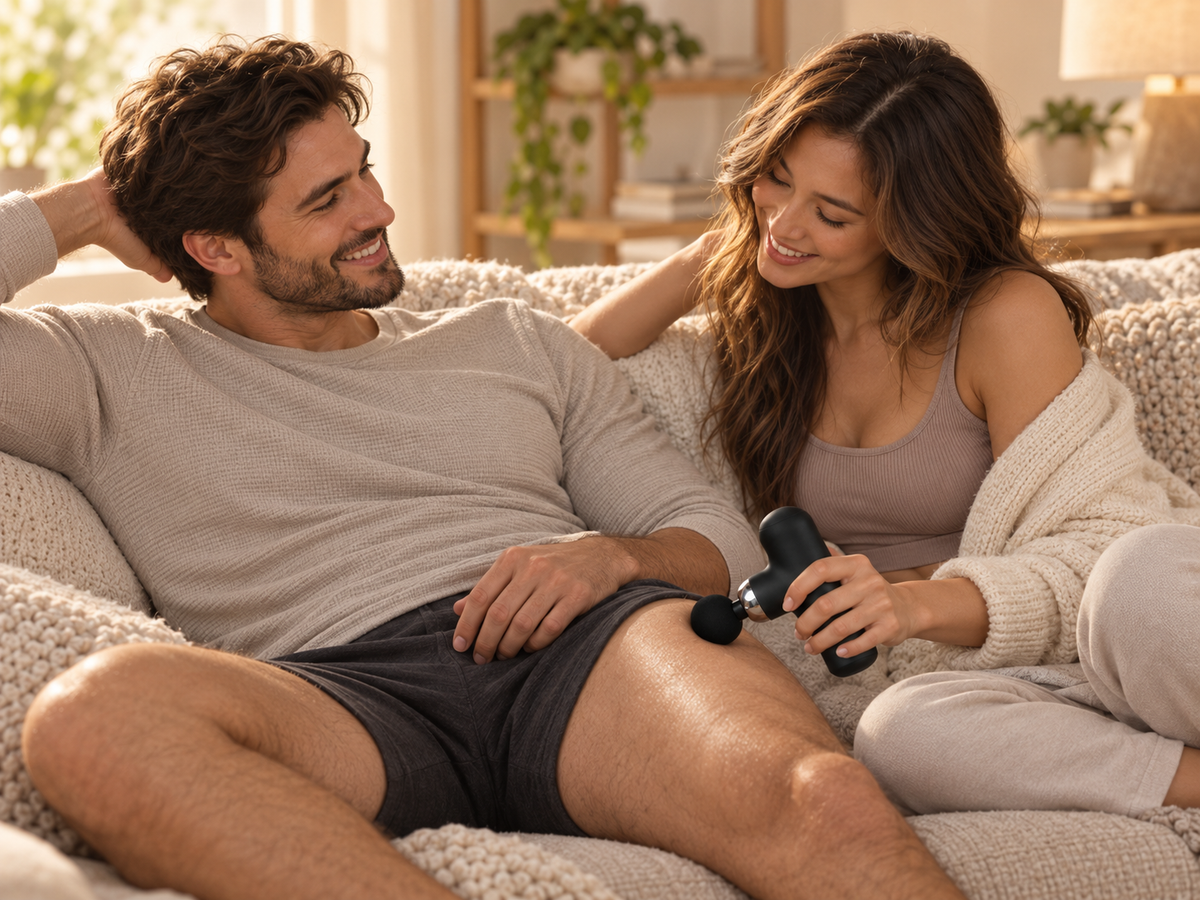
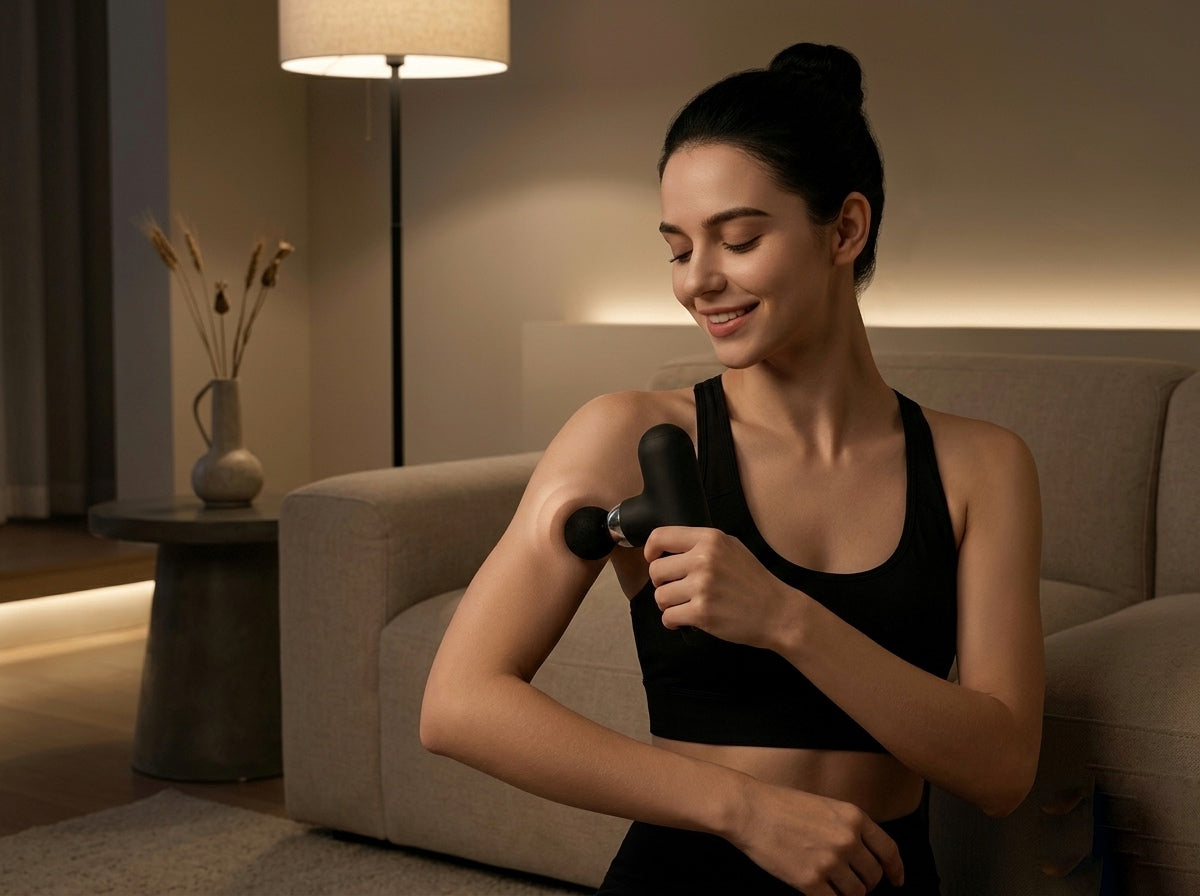
Muscle Recovery Techniques for Everyday Life
Explore practical muscle recovery techniques, from post-workout muscle care to active recovery and daily relaxation. Find simple ways to ease tension, support mobility, and build healthier recovery habits.
SUPPORT
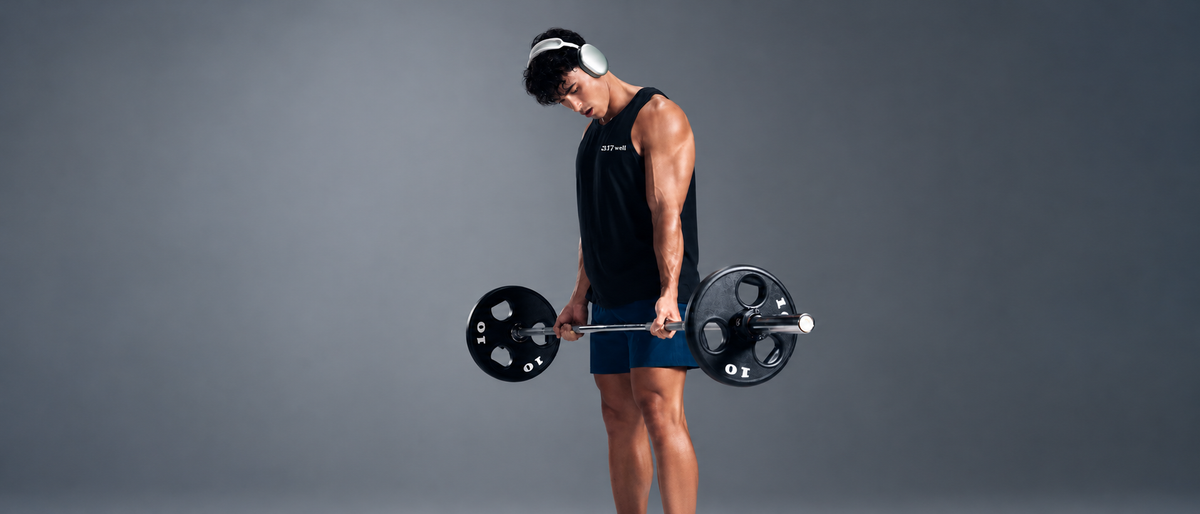
Support Post-Workout Muscle Recovery
After exercise, your muscles need time to recover.
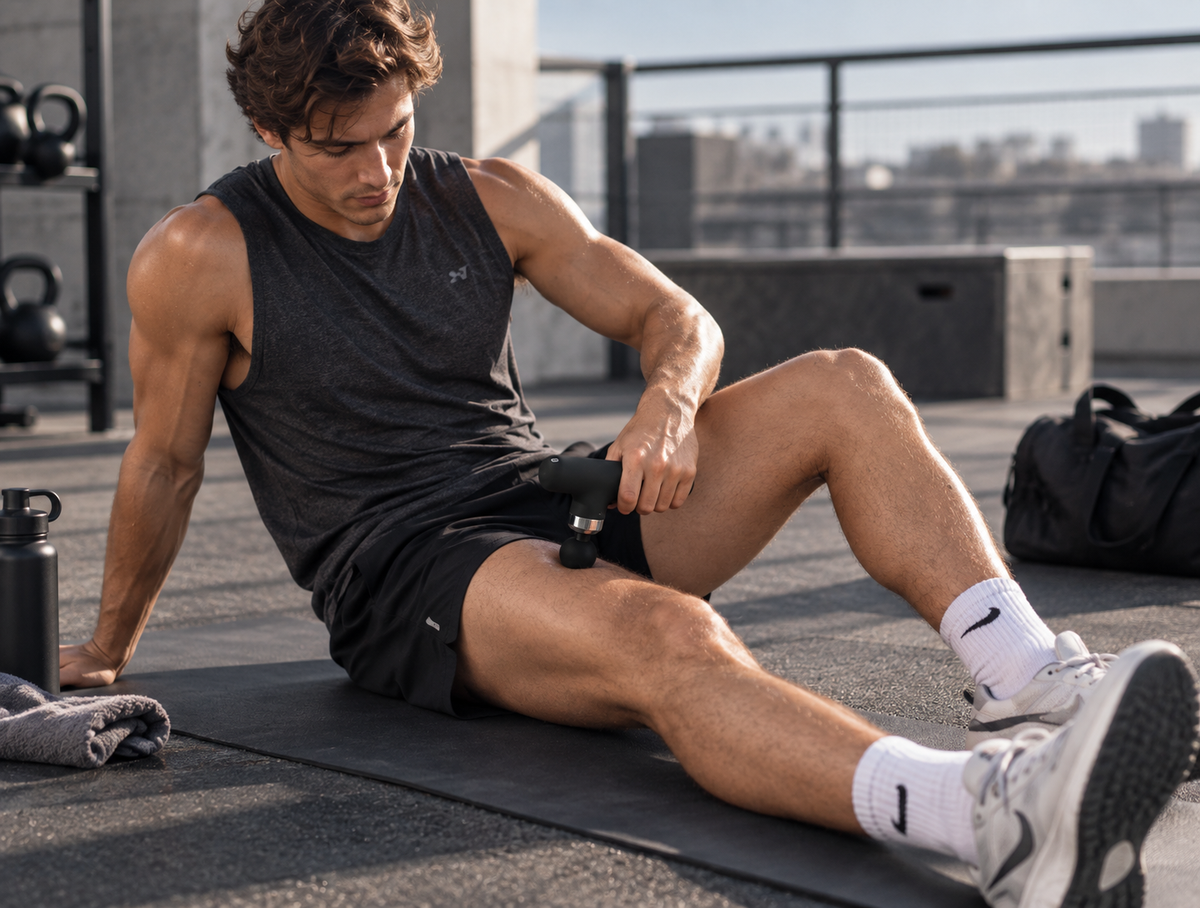
Gentle movement and percussion massage may help ease post-workout soreness and support a comfortable muscle recovery routine.

RELEASE
Release Muscle Tension
From workouts to long hours at your desk, muscle tension builds up.
Targeted percussion massage may help ease tightness and encourage relaxation throughout your day.

STAY
Stay Ready with Active Recovery
Active recovery through gentle movement and light exercise helps maintain mobility, ease stiffness, and keep your body ready for everyday activities.
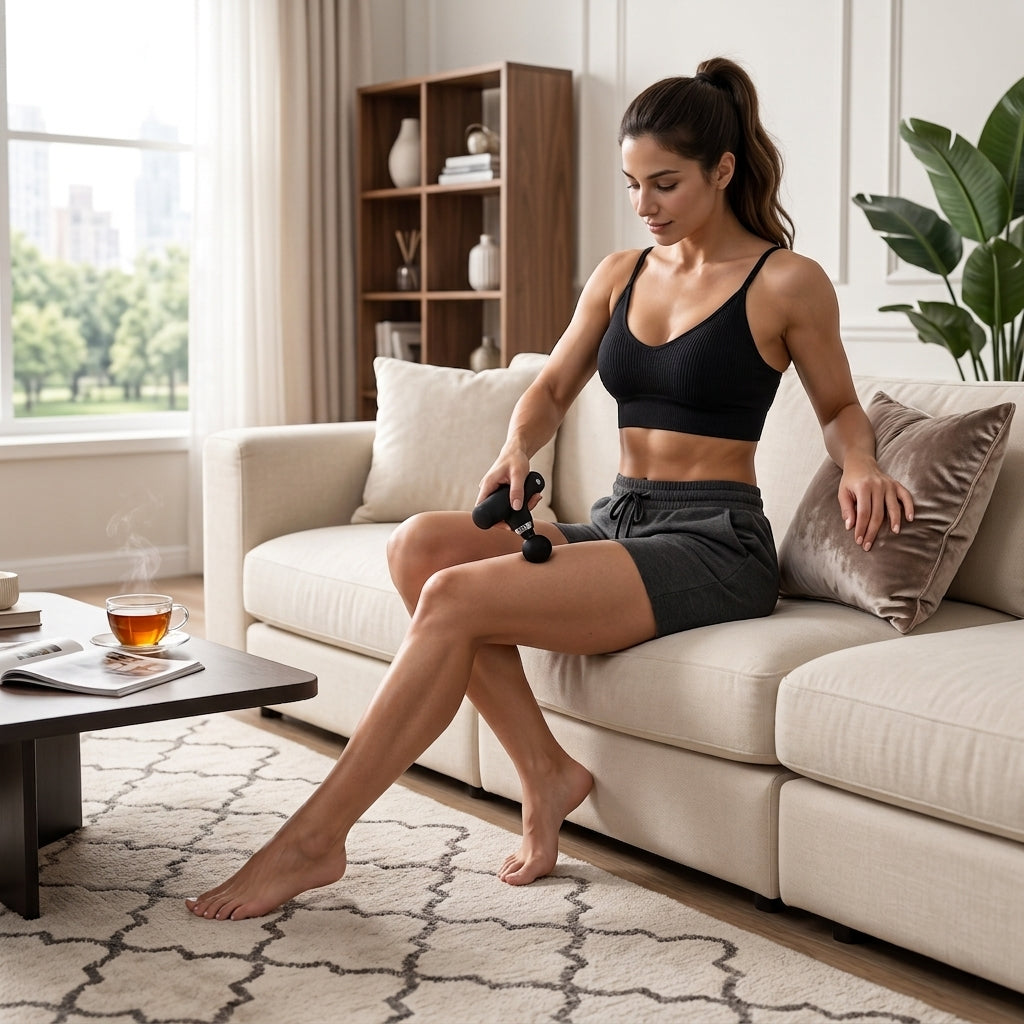
Recovery essentials
17well Massage Gun
Your body experiences stress throughout the day — from workouts, work, travel, and daily activities.Creating small recovery habits helps you stay balanced and ready for what comes next.
(Q&A) How does it support recovery?
Follow the product instructions for comfortable use.
(Q&A) How often can I use it?
Usage depends on the product and your routine.
(Q&A) Is it suitable for travel?
Check the product dimensions before travelling.
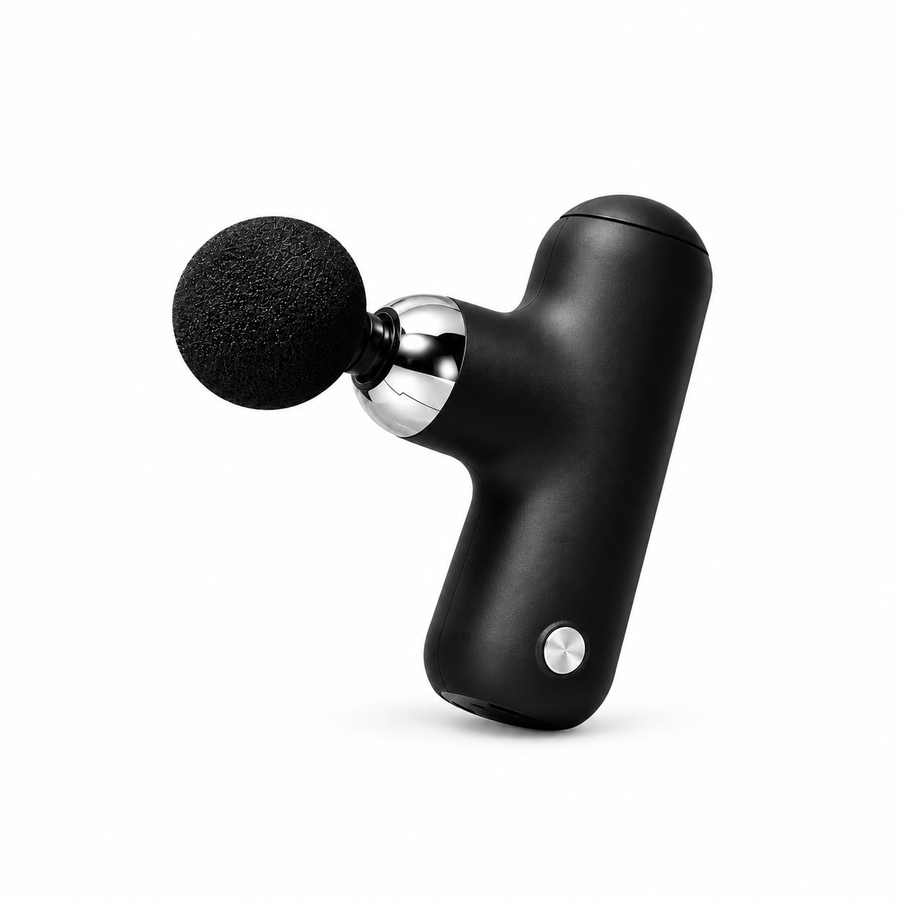
17WELL Mini Massage Gun – Compact Power for Everyday Recovery
$59.00Shop now
A Closer Look at Percussion Massage for Muscle Recovery
Percussion isn't about applying more force. It's about delivering focused, rhythmic stimulation when and where your muscles need attention.


EXPLORE YOUR BODY
Recovery Has More Than One Rhythm
Explore muscle recovery techniques beyond percussion massage, from mobility exercises to heat, cold, and light-based wellness tools. Find the right approach for your body's needs.
Body Mobility & Flexibility
Mobility exercises help your body move more freely, improve flexibility, and reduce everyday stiffness. Through targeted mobility training and vibration massage, you can support better movement quality and create a balanced recovery routine.
Temperature Recovery
Heat therapy and cold therapy support recovery in different ways. Heat can help create a sense of warmth and comfort, while cold therapy is often used when your body needs a refreshing recovery reset after physical activity. Learning the difference between heat vs cold therapy helps you build a smarter recovery routine.
Light Wellness
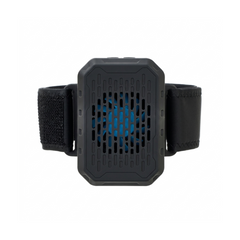
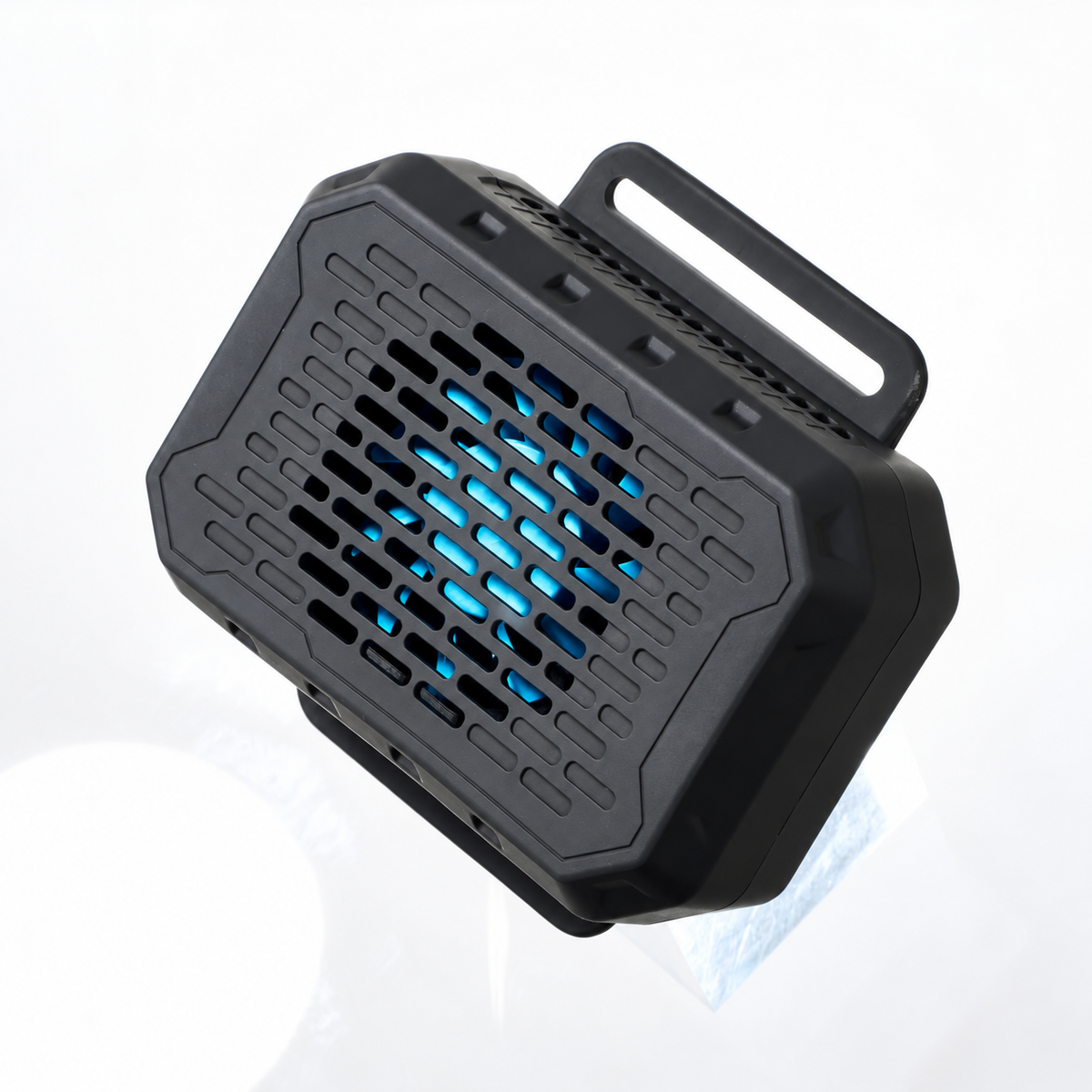
Red light therapy is a non-invasive approach that uses specific wavelengths of red and near-infrared light to interact with cells and tissues. This process, known as photobiomodulation, is being studied for its potential role in muscle recovery and other wellness applications.
At 17WELL, we explore how red and infrared light therapy works, what research says about its potential benefits, and how wearable red light therapy devices can fit into everyday routines.
Mobility exercises help your body move more freely, improve flexibility, and reduce everyday stiffness. Through targeted mobility training and vibration massage, you can support better movement quality and create a balanced recovery routine.

Heat therapy and cold therapy support recovery in different ways. Heat can help create a sense of warmth and comfort, while cold therapy is often used when your body needs a refreshing recovery reset after physical activity. Learning the difference between heat vs cold therapy helps you build a smarter recovery routine.

Red light therapy is a non-invasive approach that uses specific wavelengths of red and near-infrared light to interact with cells and tissues. This process, known as photobiomodulation, is being studied for its potential role in muscle recovery and other wellness applications.
At 17WELL, we explore how red and infrared light therapy works, what research says about its potential benefits, and how wearable red light therapy devices can fit into everyday routines.

Find Your Recovery Routine
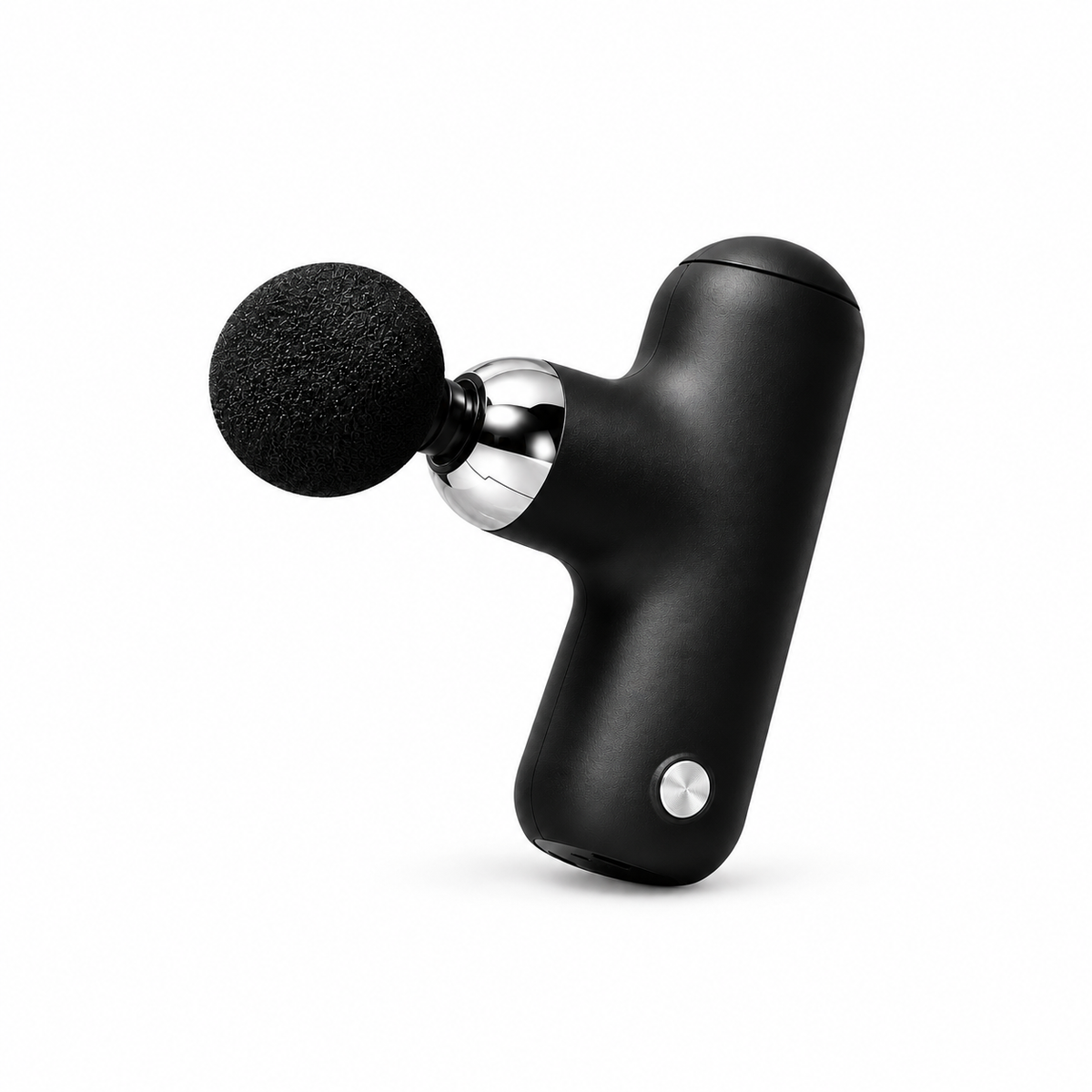
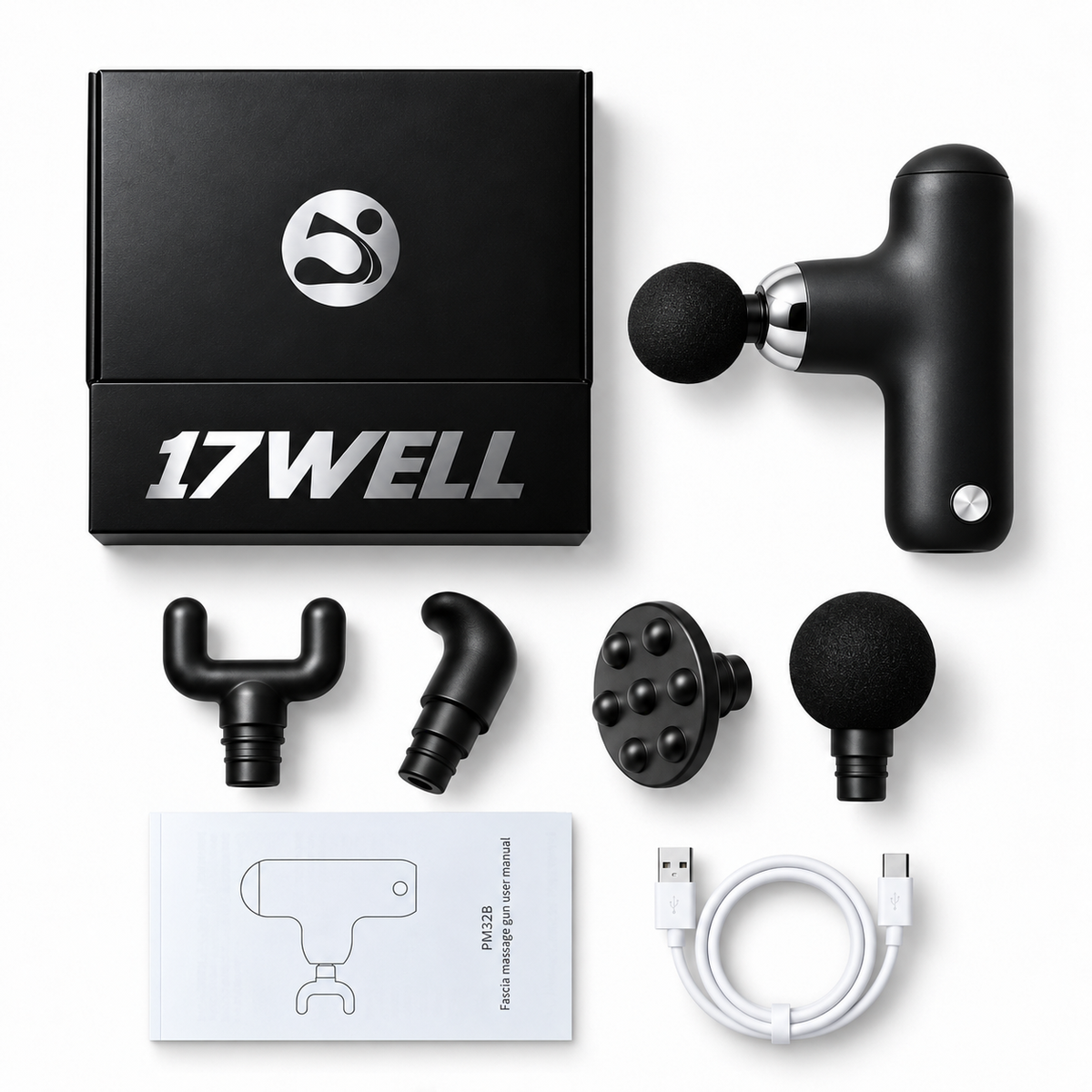
17WELL Mini Massage Gun – Compact Power for Everyday Recovery
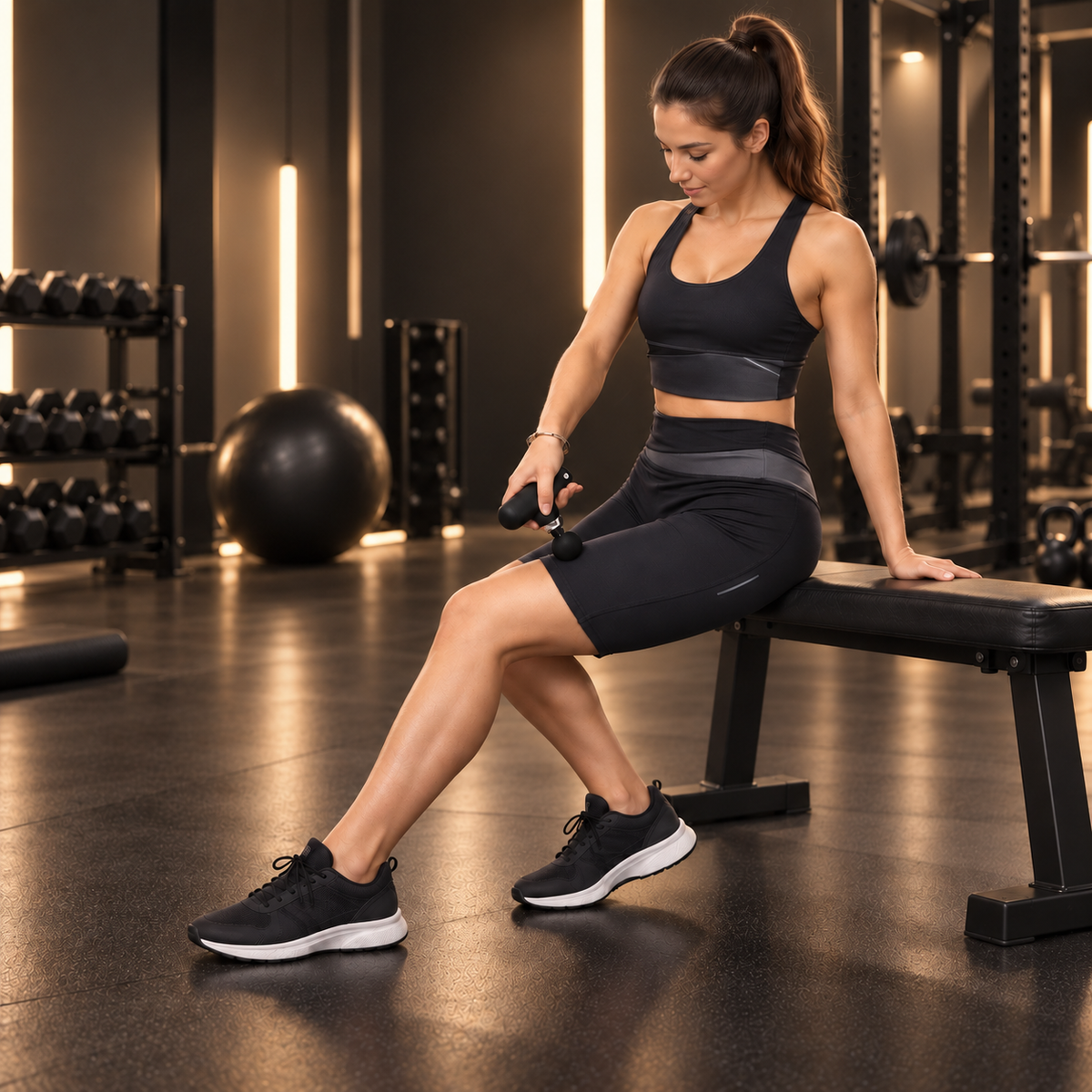
Mini Massage Gun combines a compact, lightweight design with targeted percussion massage for everyday recovery. With 5 adjustable speed levels and 5 interchangeable massage heads, this portable massage gun helps ease muscle tension after workouts or long days. Take it anywhere — at home, at the gym, or on the go.
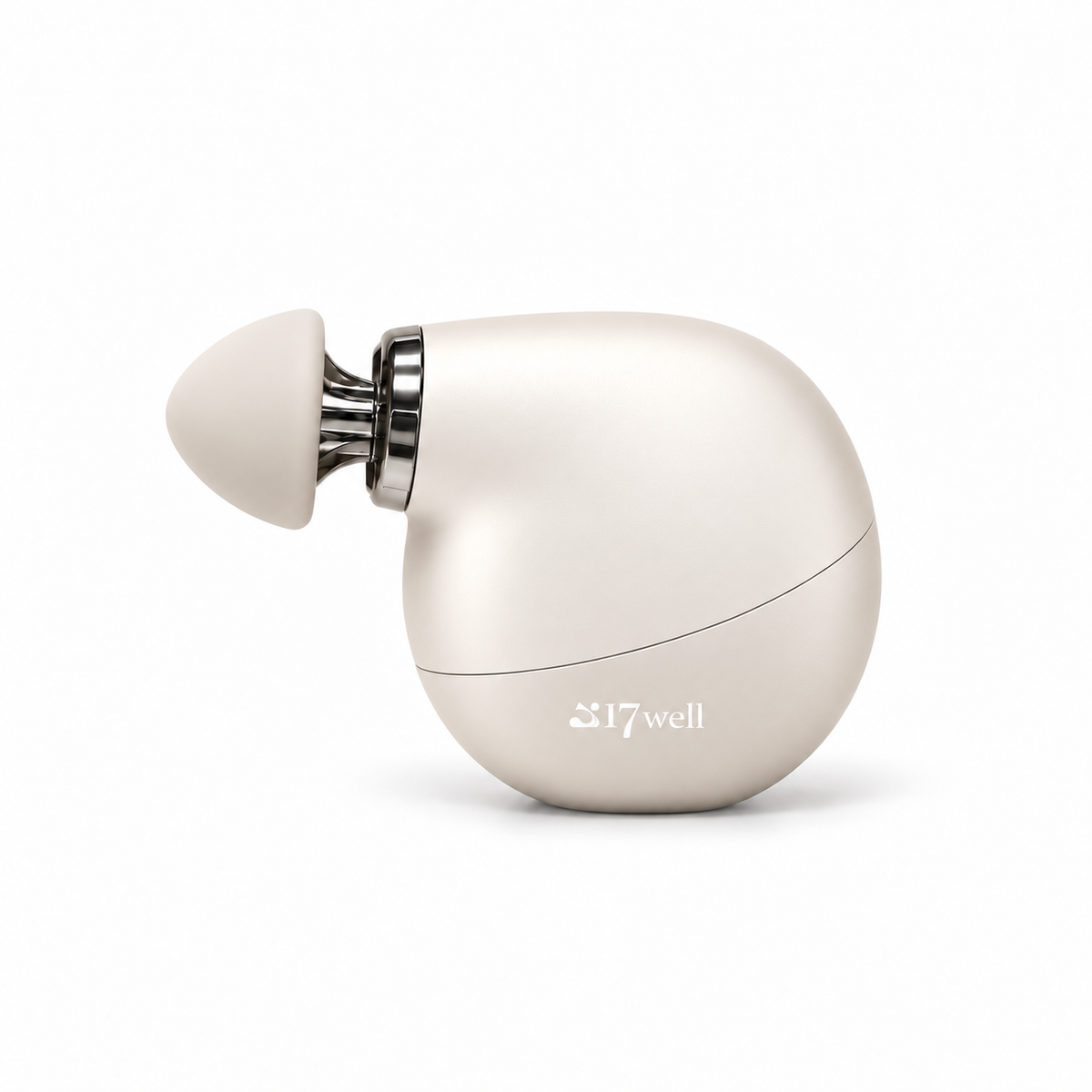
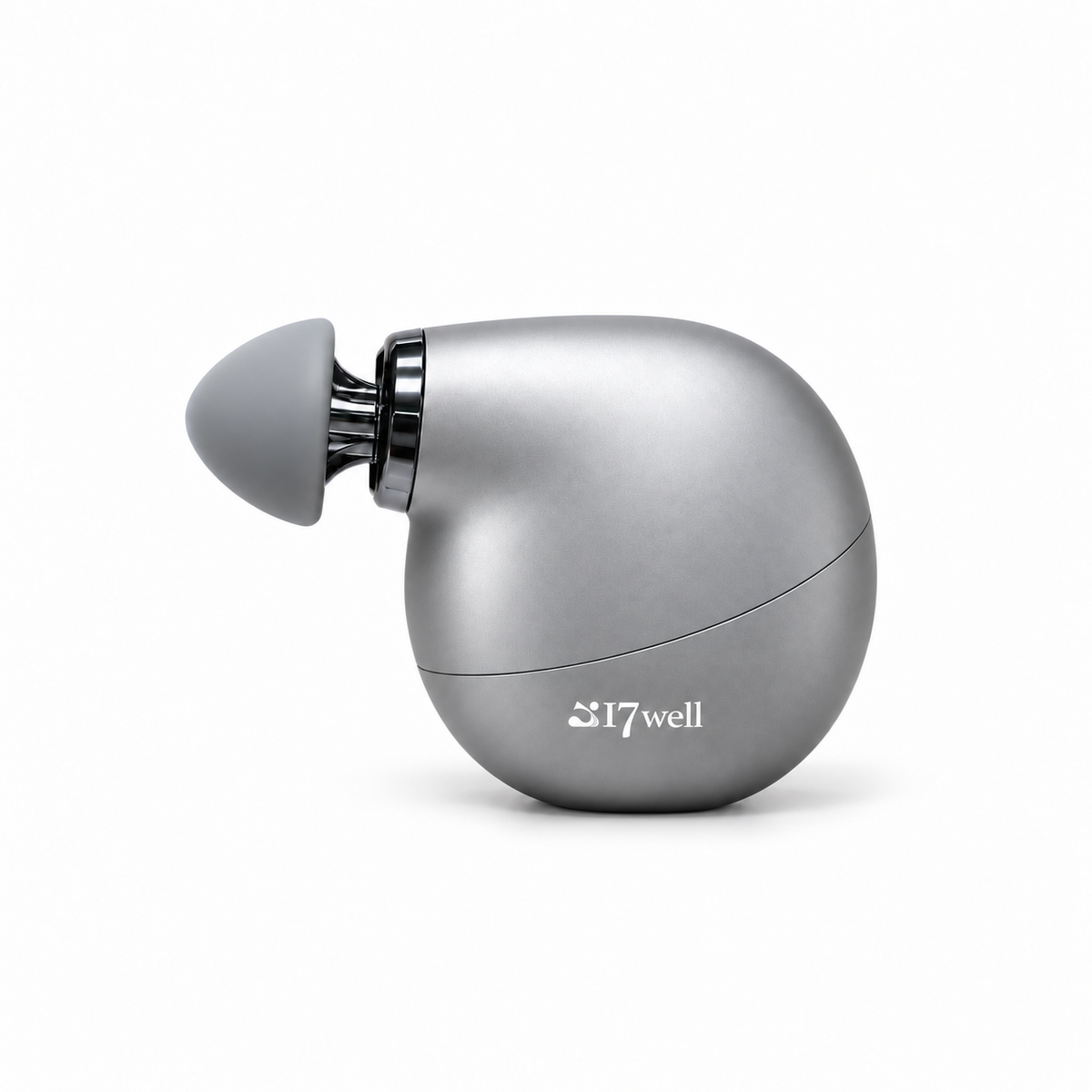
17Well EM2 Compact Handheld Percussion Massager for Everyday Recovery
Meet the 17Well EM2, a lightweight, cordless percussion massager designed to ease muscle tension and support everyday recovery. Its compact design makes it easy to enjoy targeted relief at home, at the gym, or on the go.
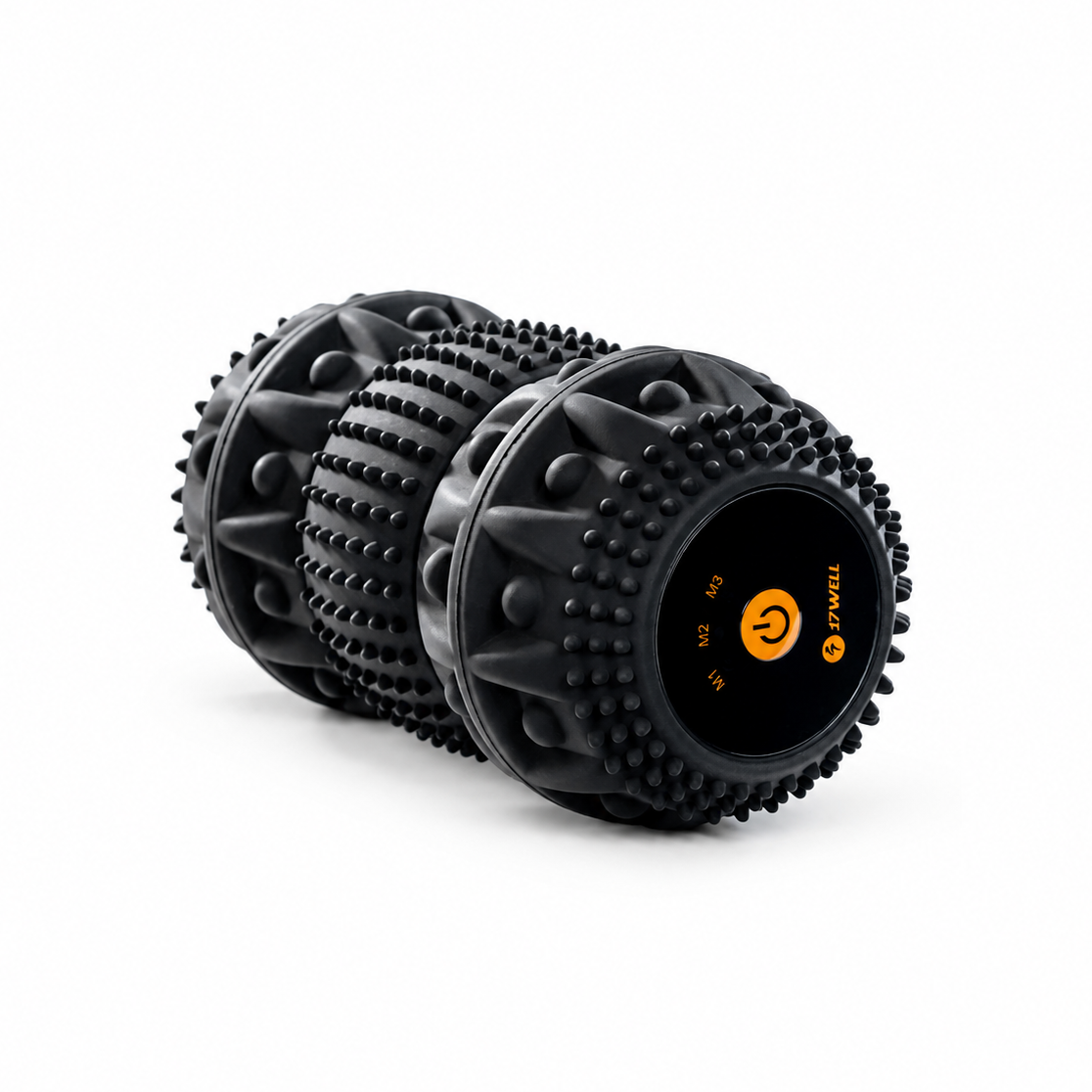
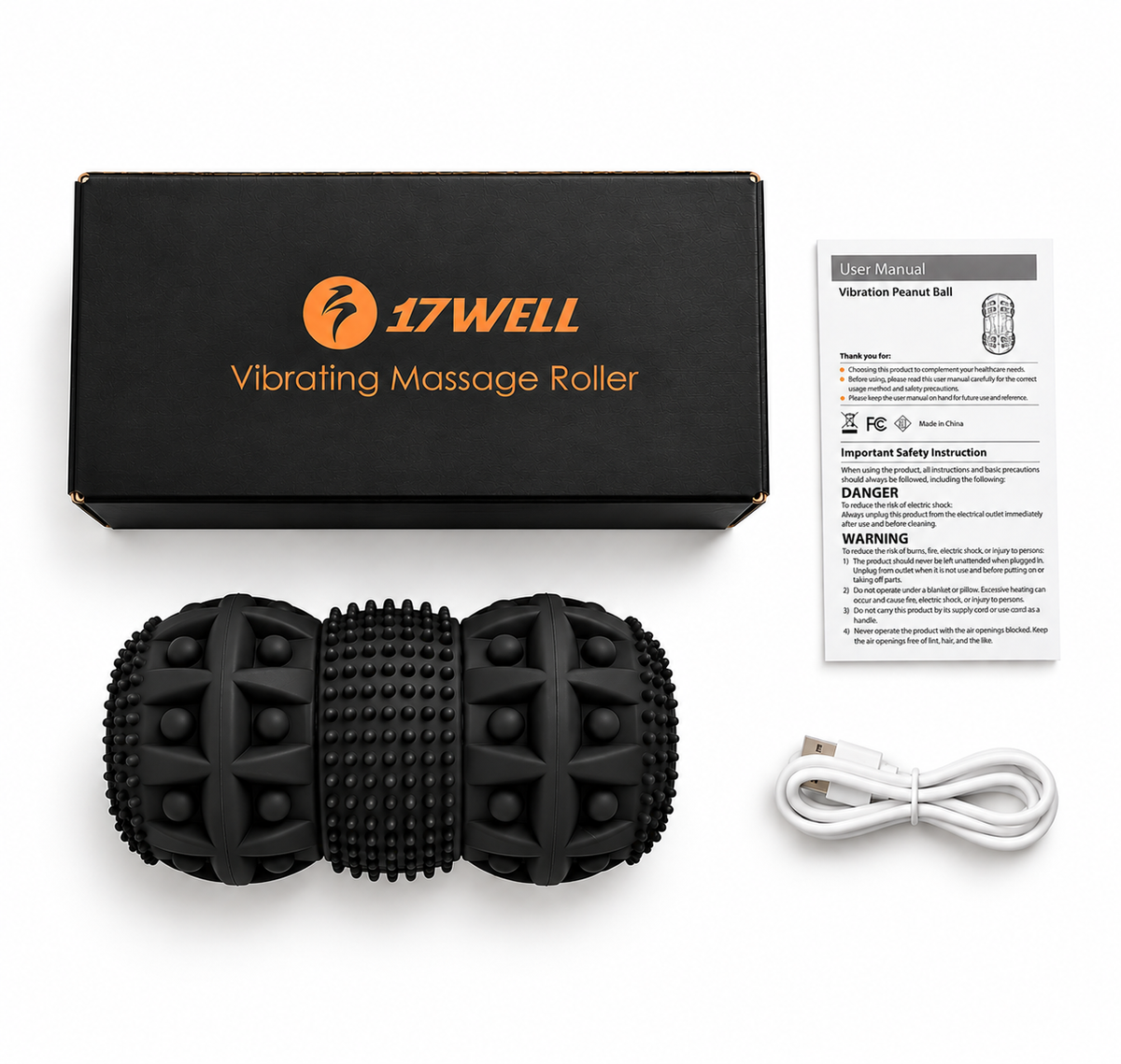
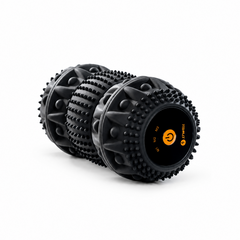
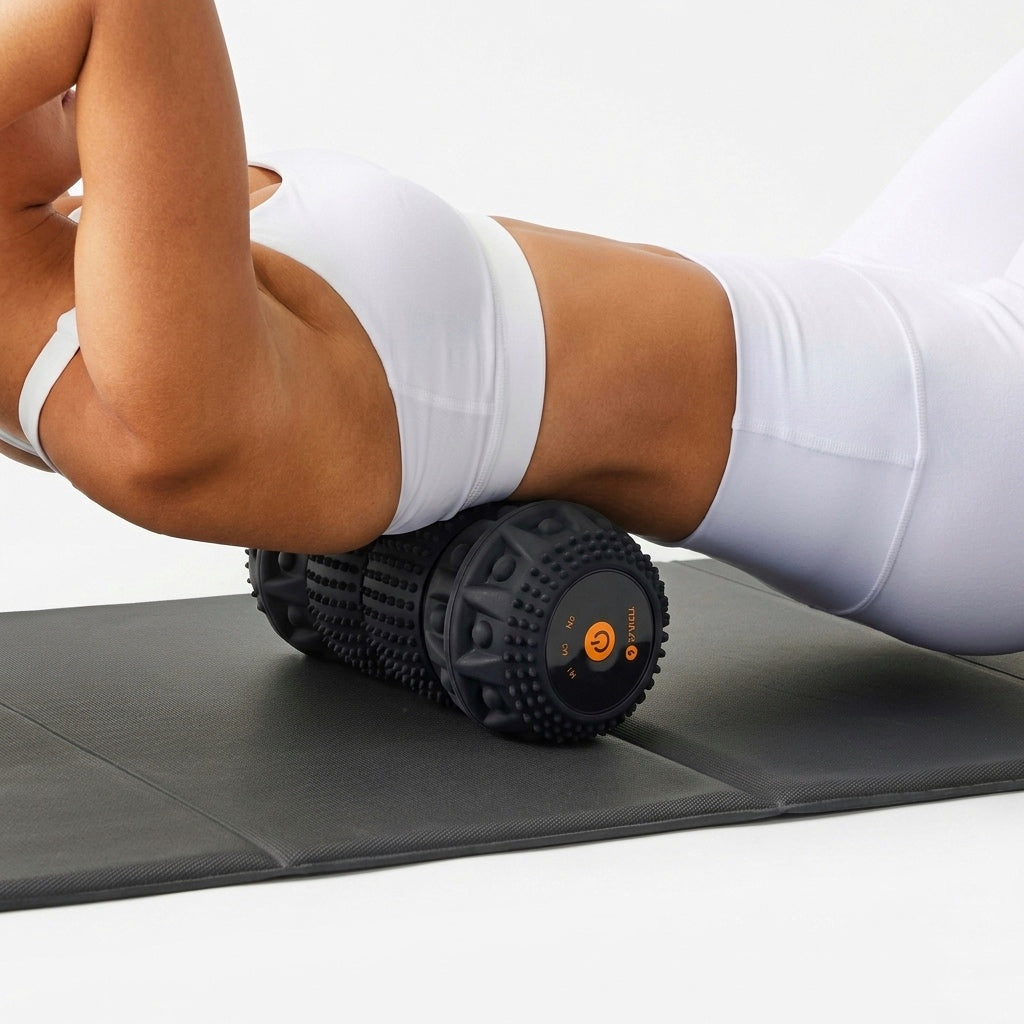
17Well Vibrating Foam Roller for Deep Muscle Recovery & Mobility
The 17Well vibrating foam roller combines textured rolling with adjustable vibration to help ease muscle tension before and after workouts. Compact and rechargeable, this portable vibrating massage roller fits naturally into your warm-up, post-workout recovery, and daily mobility routine.
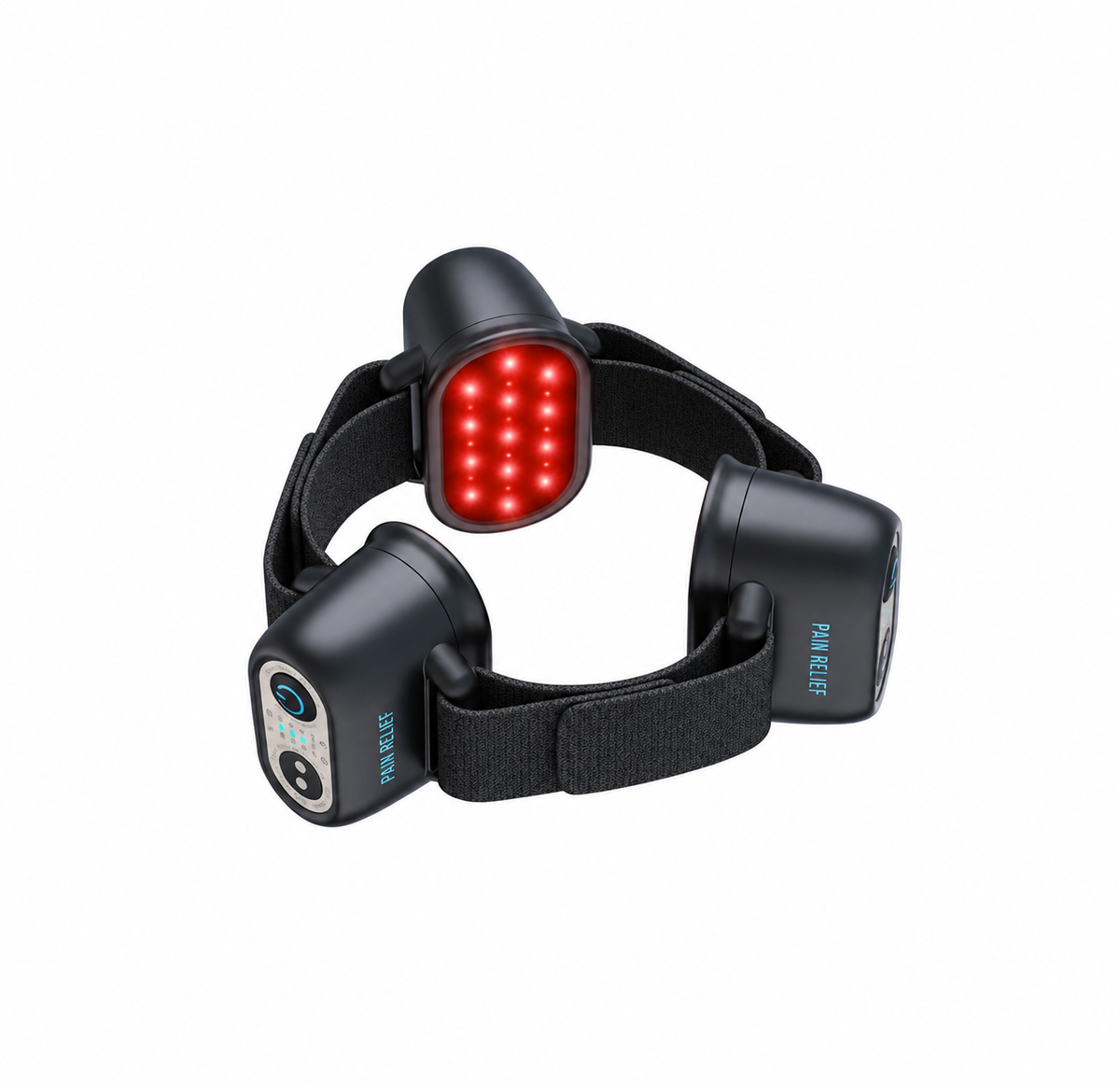
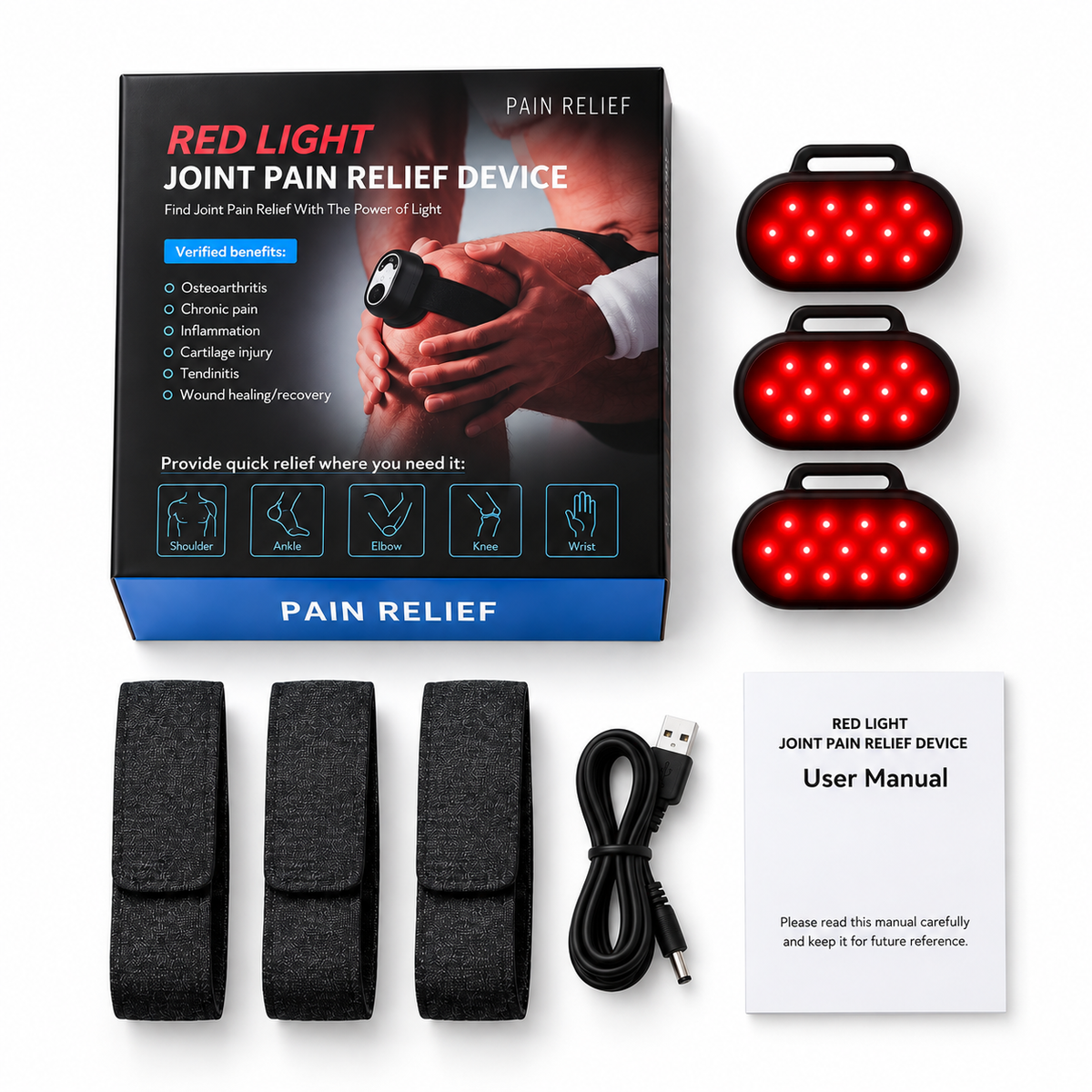
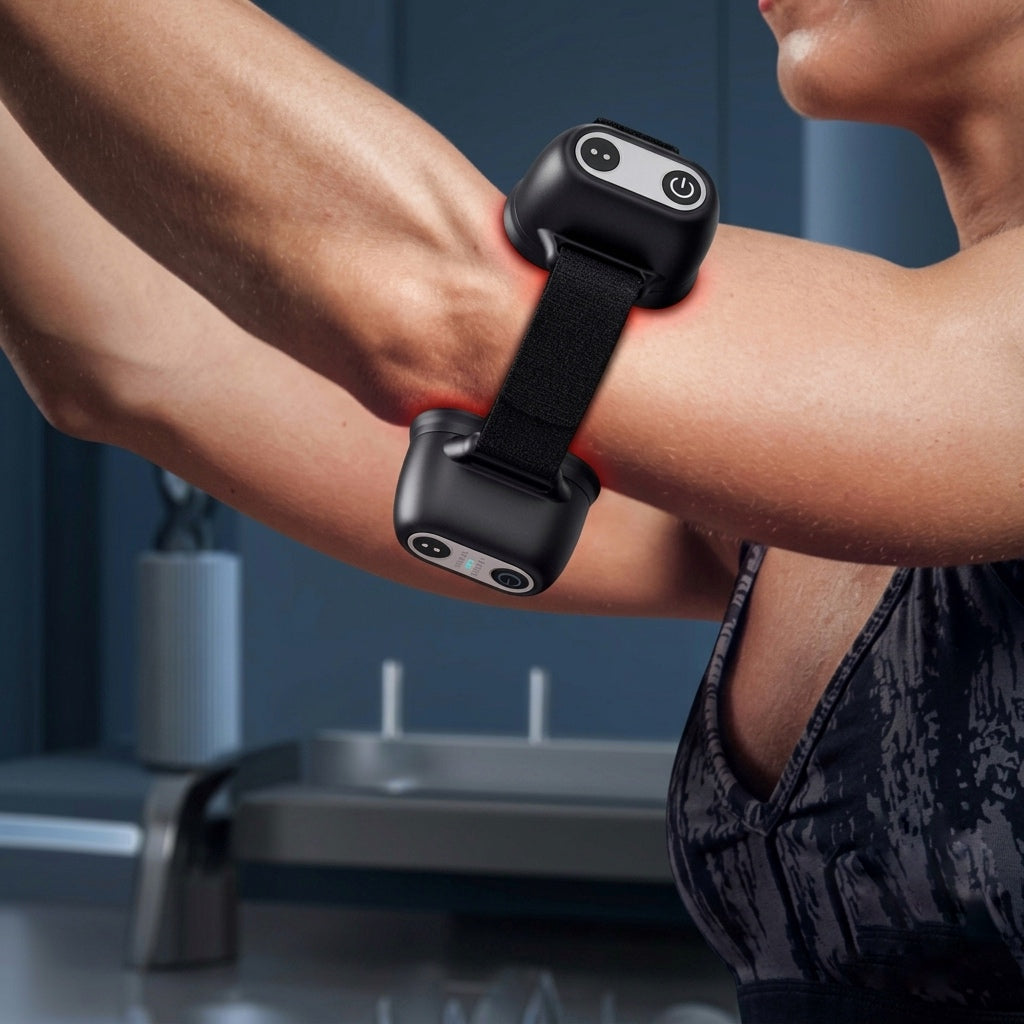
17Well Red Light Therapy Wrap for Knees, Shoulders & Everyday Recovery
The 17Well red light therapy wrap combines 640nm red light and 808nm near-infrared light in one wearable device. With adjustable straps and three timer settings, this portable red light therapy device makes it easy to enjoy targeted light sessions at home, after exercise, or on rest days.

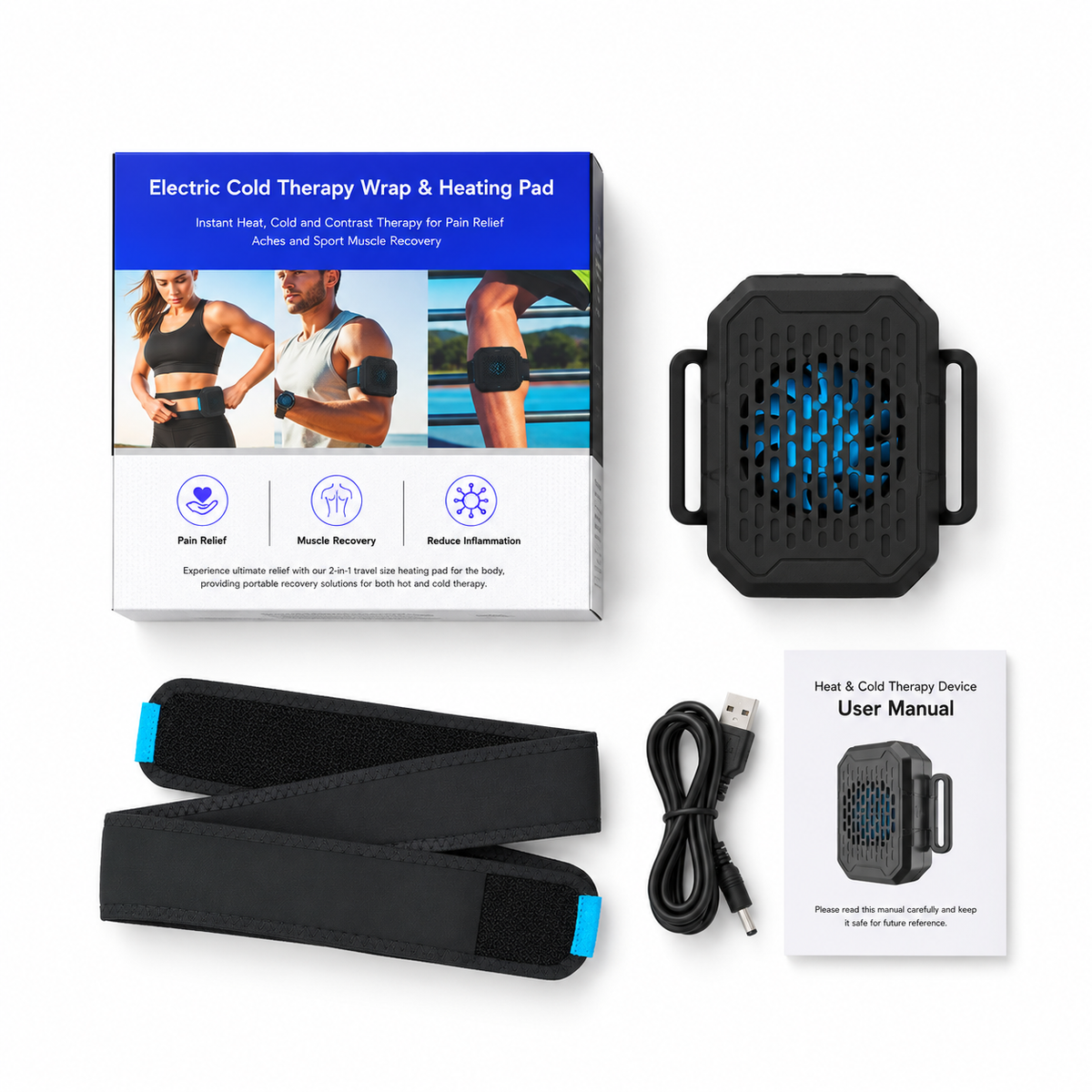
17Well Wearable Hot & Cold Therapy Pad for Muscle Recovery
From post-workout cooldowns to everyday muscle care, the 17Well hot and cold therapy pad brings heating and cooling into one wearable device. With adjustable temperature settings and a rechargeable design, it's easy to switch between warmth and cooling without ice packs or microwaves.
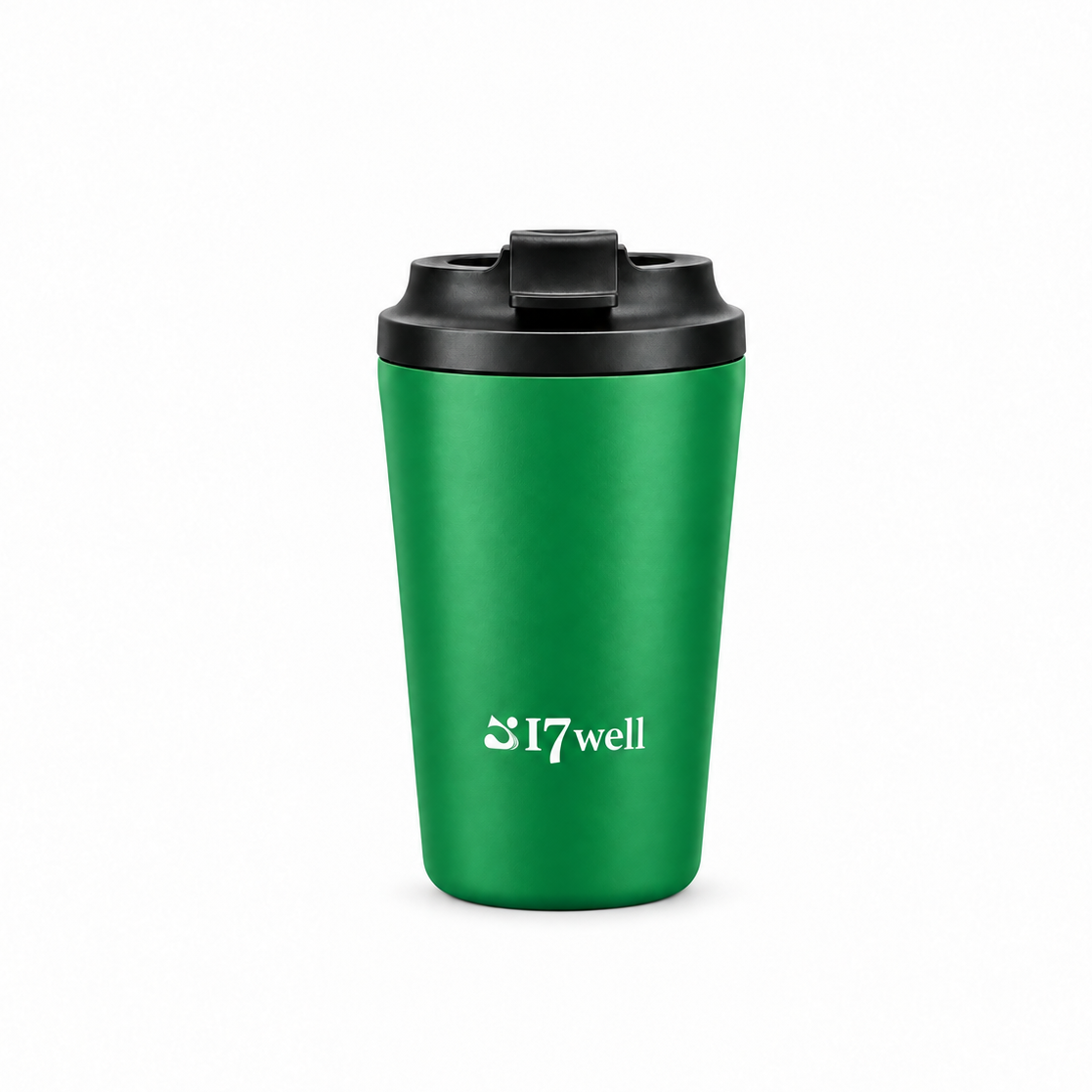

17Well 12oz Insulated Travel Coffee Mug for Daily Commutes & Life on the Go
Take your coffee wherever the day leads with the 17Well 12oz insulated coffee mug. Made with double-wall stainless steel and a convenient flip lid, this compact travel tumbler fits naturally into your morning commute, workday, or pre-workout routine.