




Your smartwatch says you're ready to go. Your recovery score looks great, but your legs feel heavy, your energy is low, and today's workout sounds less appealing than staying home in sweatpants.
Sound familiar?
A smartwatch recovery score can offer useful insights, but it doesn't tell the whole story. Your physical symptoms, recent training load, sleep, and overall energy also matter when deciding whether to train, take it easier, or rest.
Here's how to make sense of the mixed signals without overthinking every number on your wrist.
What Does a Smartwatch Recovery Score Actually Tell You?
Depending on the device, a recovery score may use metrics such as heart rate variability (HRV), resting heart rate, sleep, and recent activity to estimate your readiness for exercise.
These measurements can help you notice patterns over time. However, different devices use different algorithms, and no single score captures everything happening in your body.
Your watch might suggest you're ready for another workout, but it can't directly measure whether your quads are still tired from yesterday's squats or your calves are feeling the effects of a long run.
Think of your score as helpful information, not a personal trainer who gets the final say.
Why You Can Still Feel Tired When Your Recovery Score Is Good
Your Muscles May Still Be Fatigued
Your overall recovery indicators and muscle fatigue don't always move in sync.
After a demanding workout, your legs may feel heavy or less powerful even when your sleep and heart rate metrics look normal. This can happen after increasing your training volume, trying unfamiliar exercises, or doing several challenging sessions close together.
A good score doesn't automatically mean every muscle is ready for another round.
Stress, Sleep, and Training Load Still Matter
Recovery isn't just about what happens at the gym. Work stress, inconsistent sleep, long hours on your feet, and a demanding training schedule can all affect how you feel.
Look at the bigger picture: Have your workouts become harder? Are you sleeping well? Does your usual warm-up feel unusually difficult?
The goal isn't to chase a perfect recovery number. It's to recognize patterns and understand what your body may need.
Should You Train, Take It Easier, or Rest?
When your recovery score and physical feelings disagree, you don't necessarily need to cancel your workout—or stubbornly stick to the plan.
Here at 17Well, our rule of thumb is simple: always let your warm-up be the tie-breaker. Use the following as a general guide, not a medical diagnosis.
| What You Notice | A Reasonable Next Step |
|---|---|
| Your score looks good and you feel normal | Follow your usual training plan if appropriate |
| Your score looks good, but your legs feel tired | Consider reducing intensity or choosing light activity |
| Fatigue is building or performance is noticeably worse | Consider resting and reassessing |
| You have unusual pain, significant swelling, or marked weakness | Stop exercising and seek appropriate medical advice |
Mild tiredness doesn't always mean you need a full rest day. An easier session or gentle walk may be enough. But if you're unusually exhausted or your movement feels compromised, give yourself permission to step back.
If symptoms persist or worsen, don't dismiss them as ordinary workout fatigue just because your watch says you're recovered.
Where Recovery Tools Fit Into Your Routine
Before reaching for another recovery gadget, start with the basics: adequate sleep, balanced meals, hydration, and a training schedule that leaves room for rest.
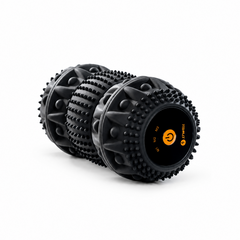
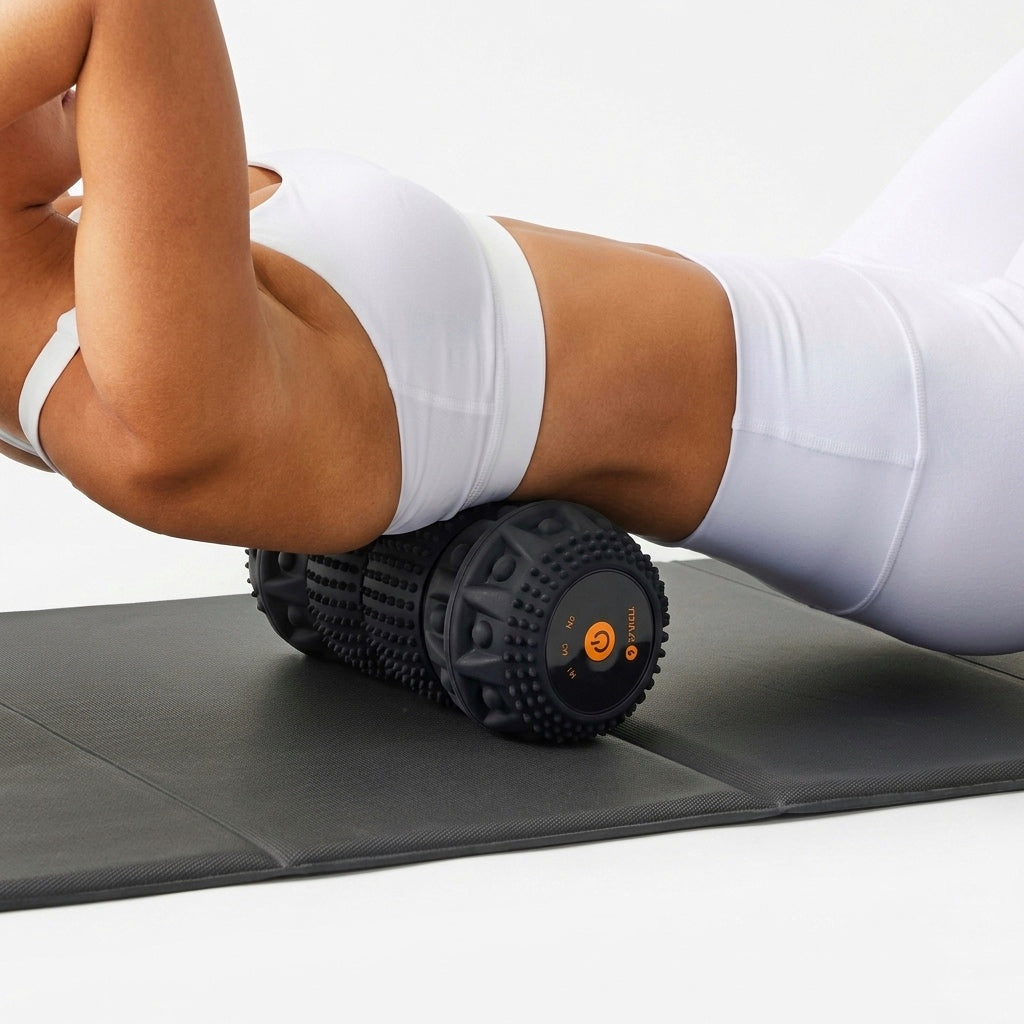
Tools such as foam rollers and a massage gun can be optional additions to your routine. Some people use a massage gun for targeted percussive massage on areas such as the quads, hamstrings, or calves. Start gently and avoid bones, joints, injured areas, and spots that are painful or swollen.
A massage gun isn't a shortcut to full recovery. It can't tell you whether you're ready to train, replace adequate rest, or guarantee faster recovery.
If a compact tool fits your routine, the 17Well EM2 Mini Massage Gun is one option to explore. Choose tools based on your needs and preferences—not because you feel you need another gadget in your gym bag.
FAQs About Recovery Scores and Muscle Fatigue
Can a smartwatch tell if your muscles are fully recovered?
Not completely. A smartwatch estimates aspects of recovery from selected physiological and activity data, but it cannot directly determine whether every muscle is fully recovered.
Should you trust your recovery score or how you feel?
Use both. Your score provides context, while your energy, recent performance, training load, and physical symptoms help you decide what makes sense that day.
Why do my legs feel heavy when my recovery score is high?
Heavy legs after a workout may reflect local muscle fatigue, recent training demands, or other factors that aren't fully represented in your recovery score. If the feeling persists, worsens, or comes with unusual symptoms, seek appropriate advice rather than pushing through.



Hinterlasse einen Kommentar
Diese Website ist durch hCaptcha geschützt und es gelten die allgemeinen Geschäftsbedingungen und Datenschutzbestimmungen von hCaptcha.