




You walked out of Pilates feeling pretty good. The movements were slow, the instructor kept reminding you to breathe, and you barely broke a sweat.
Then the next morning arrived.
Your thighs complain when you take the stairs. Your glutes have opinions about sitting down. And suddenly, you're wondering: Why am I so sore after Pilates?
The answer isn't necessarily that you overdid it. Sometimes, your muscles are simply responding to a challenge they haven't experienced before.
The Pilates Paradox: Gentle on Your Joints, Demanding on Your Muscles
Pilates may be low-impact, but that doesn't mean your muscles are taking it easy.
Small, controlled movements can involve sustained muscle tension, unfamiliar positions, and slow lowering phases. If you're new to Pilates—or returning after a break—those demands may leave you feeling sore a day or two later.
This is often called delayed onset muscle soreness (DOMS). It commonly develops after unfamiliar or challenging exercise and usually improves over several days.
But here's something worth remembering: Pilates soreness isn't proof of a better workout. You can make progress without feeling sore afterward.
What Your Soreness Is—and Isn't—Telling You
Instead of treating every ache as a problem to fix, pay attention to how it feels and how it's changing.
| What you're feeling | What it may mean | A sensible next step |
|---|---|---|
| Dull soreness in your thighs or glutes | Your muscles may be adjusting to unfamiliar exercise | Give them time and try comfortable, easy movement |
| General fatigue | You may need more rest after a demanding day or class | Prioritize sleep, food, and hydration |
| Mild stiffness that eases as you move | Gentle movement may feel more comfortable than staying still | Try a short walk or relaxed mobility |
| Sharp pain, significant swelling, or unusual weakness | This may be more than ordinary muscle soreness | Stop the activity and seek medical advice |
The important distinction isn't whether you're sore. It's whether your symptoms resemble ordinary post-exercise soreness or something that needs attention.
Before You Reach for a Recovery Tool, Ask Yourself This
When you're sore after Pilates, it's tempting to look for the fastest fix.
But Pilates recovery doesn't need to be complicated.
If you're exhausted, start with rest. If you feel stiff, a gentle walk might be enough. If your muscles are mildly tender and you enjoy self-massage, a recovery tool may offer a comfortable way to unwind.
There's no need to force a massage into your routine—or push through pain to make it feel effective.
And if self-massage sounds appealing, the most useful question isn't Which tool is stronger?
It's Which one feels easier for me to use comfortably?
When Self-Massage Feels Right, Keep It Simple
A massage gun and a foam roller can both fit into a post-Pilates routine, but they offer different experiences.
| If you prefer... | You might consider... |
|---|---|
| Staying seated while guiding pressure over a specific muscle area | A mini massage gun |
| Moving slowly over a broader muscle area | A foam roller |
| Doing nothing extra after class | Rest and gentle everyday movement |
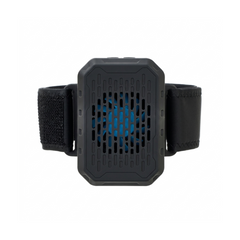
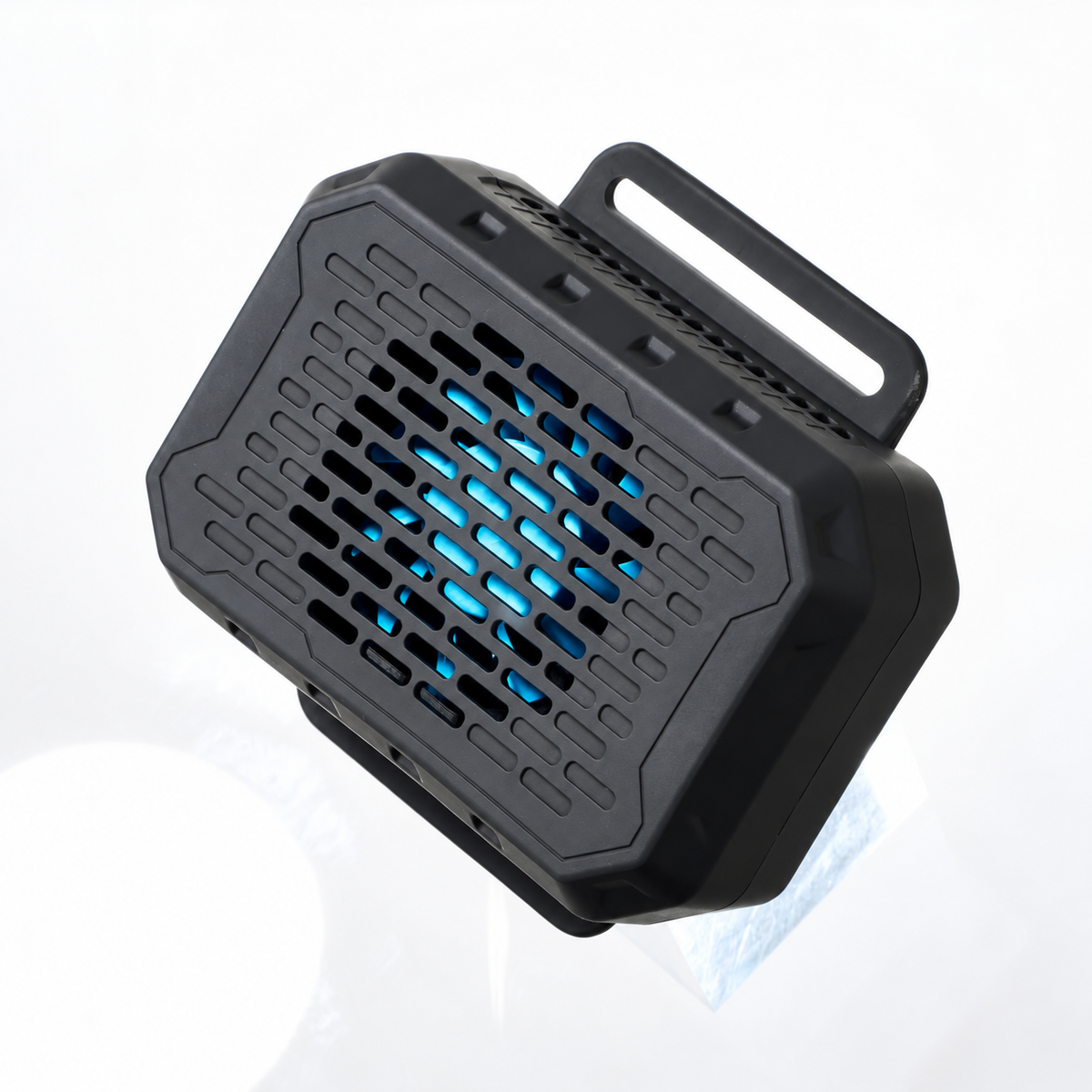
A mini massage gun lets you control where you apply light percussion. For someone whose thighs or glutes feel tender after class, the 17Well EM2 Mini Massage Gun is a compact option for gentle self-massage.
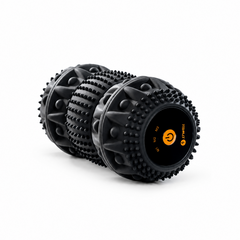
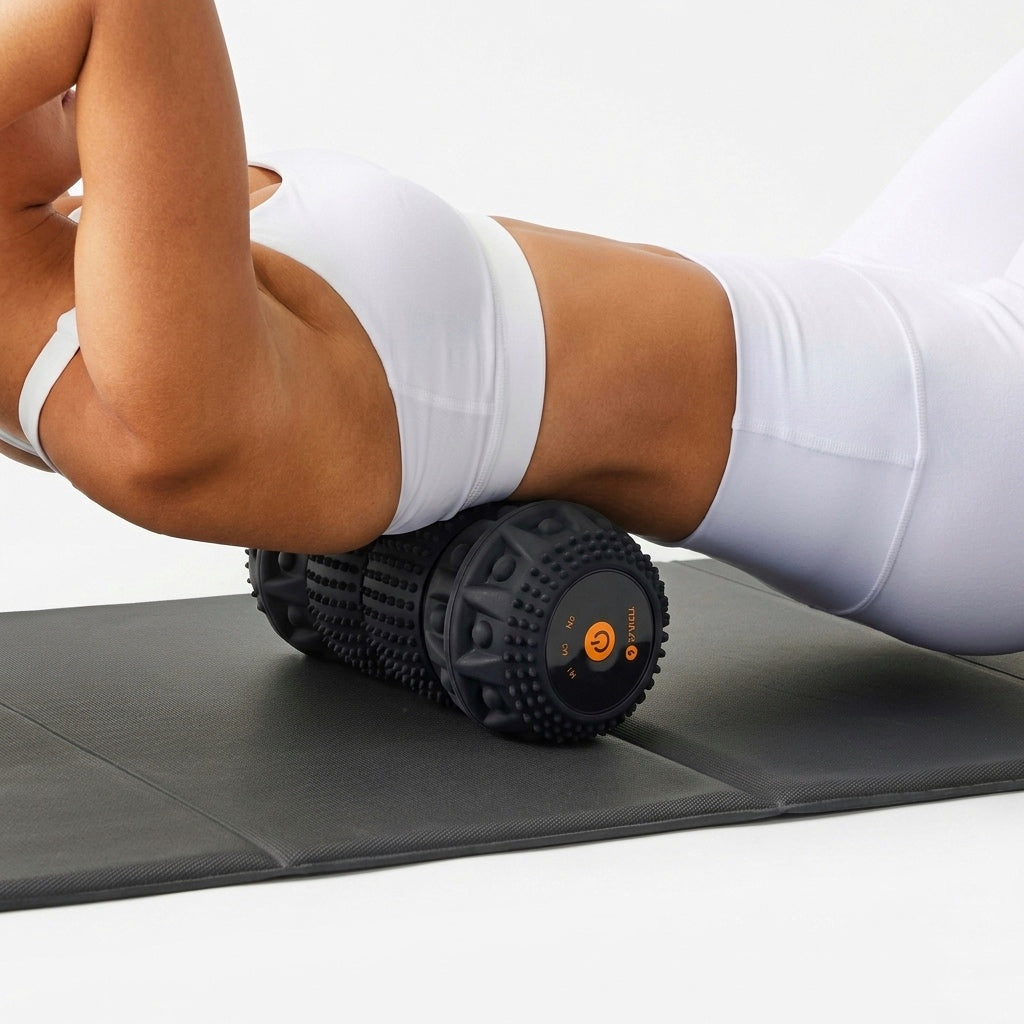
A vibrating foam roller offers a different approach. By adjusting your body position, you can roll slowly across larger muscle areas at a pressure that feels manageable.
Neither tool is essential, and neither has been shown to reliably speed muscle tissue healing. Avoid using them over injured, swollen, or sharply painful areas, as well as directly over bones or joints.
Want a closer look at how the two approaches differ? Read our massage gun and foam roller comparison.
Your Next Pilates Class Starts Between Classes
The best recovery routine isn't the most elaborate one. It's the one that fits your life.
That might mean getting enough sleep, eating regular meals, taking an easy walk, or spending a few comfortable minutes with a recovery tool.
As for your next class, pay attention to how you move. Mild soreness doesn't always mean you must skip Pilates, but significant discomfort may be a reason to rest or modify your session.
If you're curious about fitting percussion massage around exercise, our guide to using a massage gun before or after a workout explores how the goal changes with timing.
Recovery Doesn't Have to Be Another Workout
Pilates asks you to move with awareness. Recovery can follow the same principle.
Listen to how your body feels, give it time to adapt, and choose what brings comfort—not what adds another task to your day.
The goal isn't to never feel sore again. It's to keep showing up for the movement you enjoy.


Dejar un comentario
Este sitio está protegido por hCaptcha y se aplican la Política de privacidad de hCaptcha y los Términos del servicio.