



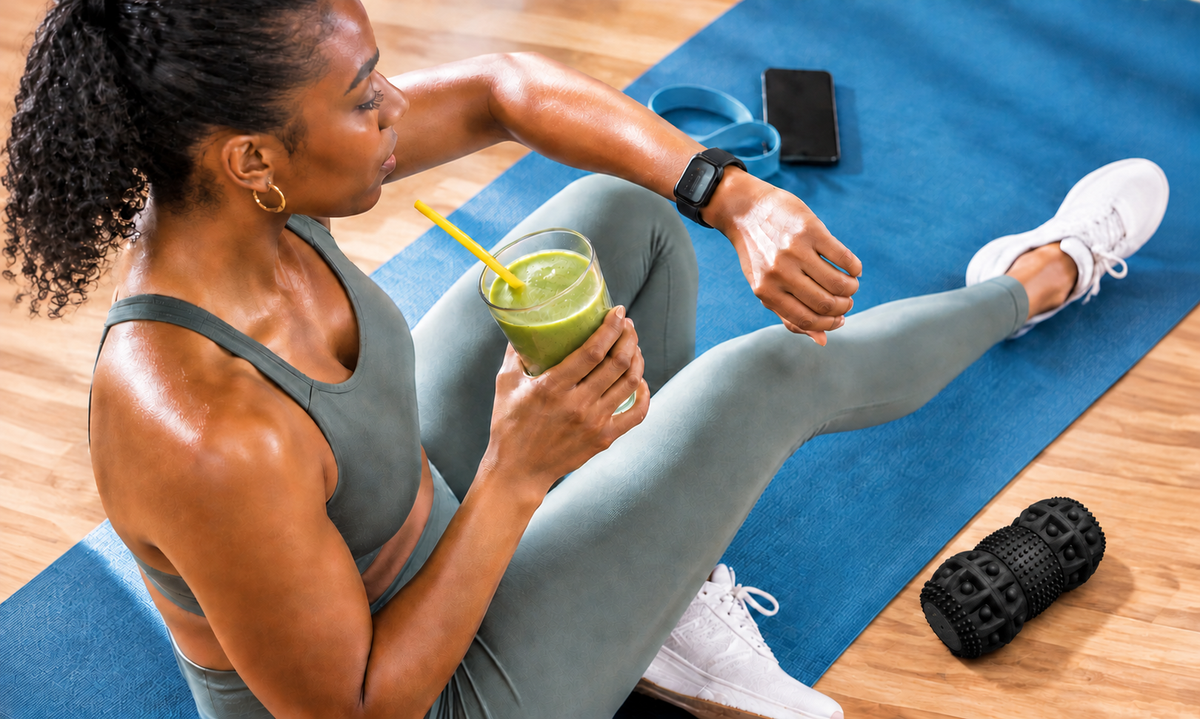
What does taking care of yourself really look like in 2027? For many people, wellness is no longer just about going to the gym, eating healthier, or tracking fitness goals. It's also about getting enough rest, managing everyday stress, and feeling good in your body.
McKinsey's Future of Wellness 2027 report explores how consumer priorities are changing. One trend worth watching is recovery and its growing role beyond professional sports.
But does embracing wellness mean buying more products? Not necessarily. It starts with understanding what your body needs and finding habits that fit your life.
2027 Wellness at a Glance: 5 Key Findings
McKinsey's research offers a snapshot of the changing wellness market and what consumers expect from it.
| Key finding | McKinsey data | What it reveals |
|---|---|---|
| Global wellness market | $2.7 trillion | Wellness is a major consumer market |
| US wellness priorities | About 2 in 3 | More Americans prioritize wellness than a year ago |
| Sauna and bathhouse use | US: 18%; Germany: 34% | Recovery habits vary across markets |
| Unmet wellness needs | About 40% globally | Gaps remain in longevity, mental health, and mobility |
| Purchase priorities | Effectiveness and price tied | Consumers expect real value from wellness products |
Source: McKinsey, Future of Wellness 2027. The $2.7 trillion estimate reflects an expanded definition of wellness categories and is not directly comparable with the previous year's estimate.
Wellness Trends 2027: Why Recovery Is Moving Beyond the Gym
Wellness is no longer just about doing more. It's also about knowing when to slow down.
Athletes have long treated recovery as an essential part of demanding training schedules. Today, practices such as cold plunges, contrast therapy, and social saunas are attracting a broader audience.
McKinsey reports that 18% of US consumers and 34% of German consumers have tried or currently use saunas and bathhouses. These differences highlight how culture and lifestyle influence the way people approach recovery.
More people are also starting to see recovery as part of everyday wellness. It doesn't always require an expensive treatment or complicated routine. Sometimes, it simply means making time to rest, move, and recharge.
More Wellness Products, But Are They Meeting Our Real Needs?
A growing wellness market gives consumers more choices, but more choices don't automatically mean better results.
McKinsey found that around 40% of consumers globally believe current wellness offerings still fall short in areas such as longevity, mental health, and mobility. Meanwhile, US consumers place equal importance on product effectiveness and price when making wellness purchases.
This puts pressure on wellness brands to deliver real value. Consumers want products that serve a clear purpose, fit their lifestyles, and justify their price. Attractive packaging and big promises aren't enough.
Better wellness isn't about owning more products. It's about choosing what genuinely supports your needs.
Recovery Looks Different for Everyone
There is no single recovery routine that works for everyone. Your exercise habits, work environment, and daily schedule all influence what feels useful.
| Lifestyle | Common needs | Practical starting point |
|---|---|---|
| Regular exercisers | Post-workout comfort | Rest and appropriate movement |
| Busy professionals | Breaks from prolonged sitting | Regular movement and posture changes |
| Home fitness enthusiasts | Convenient recovery habits | Gentle movement and optional self-massage |
| Wellness beginners | Simple, sustainable habits | Sleep and regular activity |
A runner may appreciate comfortable self-massage after training, while someone who spends most of the day at a desk may benefit more from regular movement breaks.
Your recovery routine should reflect your lifestyle, not someone else's.
Choosing Recovery Tools That Fit Your Lifestyle
For people who enjoy self-massage, recovery tools offer another way to care for their bodies at home. The best choice depends on the experience you prefer.
When Targeted Self-Massage Fits Your Routine
A mini massage gun offers a focused approach to self-massage, allowing you to work on specific muscle areas. The 17Well EM2 Mini Massage Gun is a compact option for people who want to add targeted massage to their home or fitness routine.
When You Prefer Broader Rolling Massage
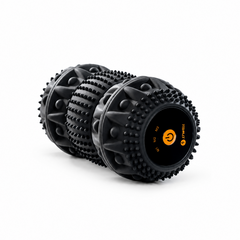
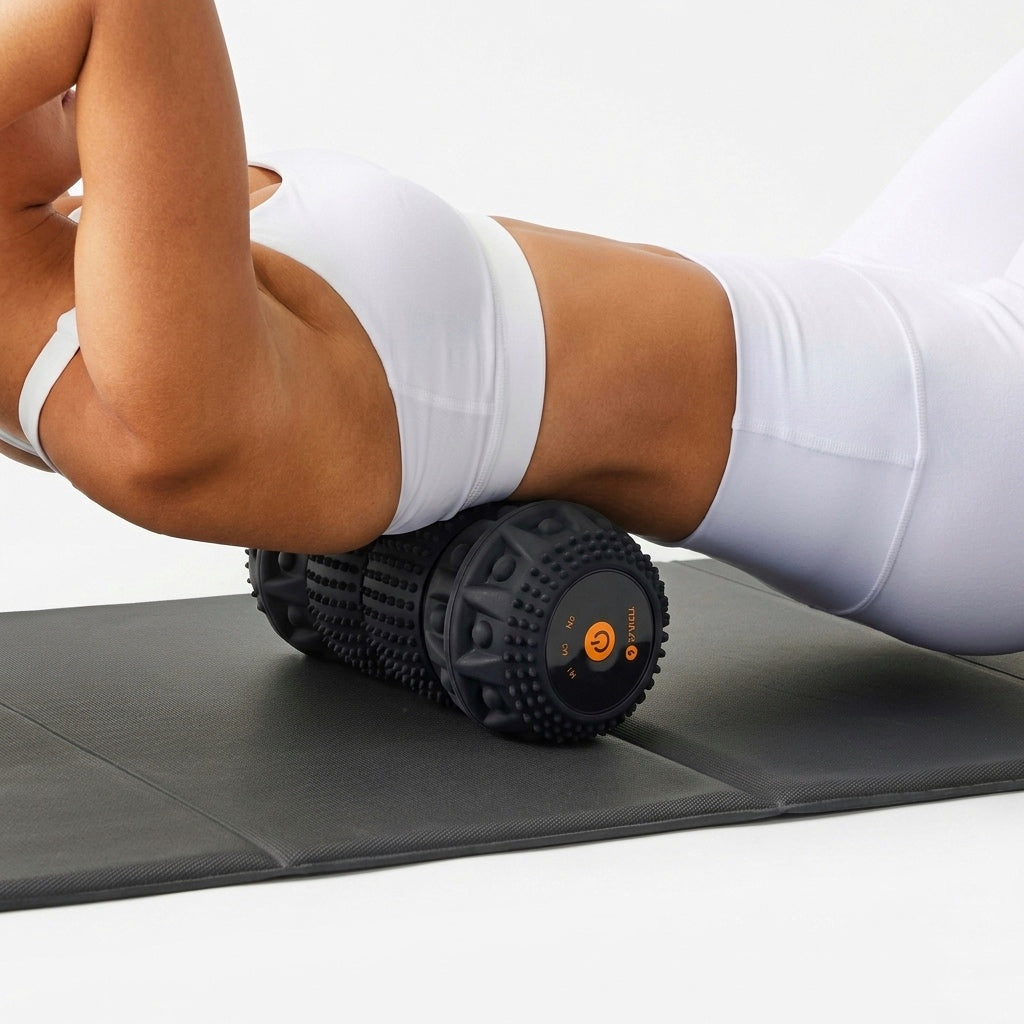
A foam roller offers a different experience. You use your body position and movement to roll across broader muscle areas. The 17Well Recovery Roll adds vibration to this familiar rolling experience.
Not sure which approach suits you better? Our guide to choosing between a massage gun and a foam roller explains their differences and helps you find the right fit for your routine.
Neither tool is essential for everyone. Comfort, personal preference, and actual needs should guide your choice.
The Science of Recovery: What Actually Matters?
Before adding another product to your routine, remember that the foundations of recovery remain simple: adequate sleep, balanced nutrition, hydration, appropriate rest, and manageable exercise.
Massage guns and foam rollers may help reduce short-term soreness or improve mobility, but they aren't shortcuts to muscle repair or substitutes for rest. Research suggests potential benefits, although results vary from person to person.
Curious about the evidence? Read our guide: Do Massage Guns Work?
Avoid self-massage over injured, swollen, or sharply painful areas. If symptoms persist or seem unusual, seek professional medical advice.
Build a Recovery Routine You Can Actually Maintain
With so many wellness habits competing for attention, recovery shouldn't become another task on your to-do list. It should make everyday life easier, not more complicated.
Start with a few simple habits:
- Take regular movement breaks during long workdays.
- Give your body time to rest after exercise.
- Prioritize sleep and balanced meals.
- Use recovery tools only when they meet a genuine need.
Consistency matters more than complexity.
Recovery Should Fit Your Life, Not the Other Way Around
The future of wellness isn't about doing everything or buying every new product. It's about understanding your needs and making thoughtful choices that support the way you live.
At 17Well, we believe recovery should fit the way you move, rest, and feel. Find your rhythm, choose what works for you, and make room for everyday care.
17Well — Recover in Your Rhythm.


Dejar un comentario
Este sitio está protegido por hCaptcha y se aplican la Política de privacidad de hCaptcha y los Términos del servicio.