




You crossed the finish line, collected your medal, and felt surprisingly good. Then came the next morning—and walking downstairs felt harder than the last mile.
The first 48 hours of marathon recovery can be surprising. Soreness may arrive late, and even simple decisions—rest or walk, massage or leave it alone—can feel complicated. Here's what deserves your attention.
Feeling Fine at the Finish Line? Don't Let That Fool You
The cheering may still be ringing in your ears, but your body has just completed hours of demanding work.
If you're wondering how to recover after a marathon, keep the first few hours simple. Slow to a comfortable walk rather than stopping abruptly. If you're dizzy, faint, or unwell, seek help from race medical staff. Change out of wet clothes, find somewhere warm, and arrange your journey home.
Drink according to thirst and your individual needs; forcing excessive water can be dangerous. When you can tolerate food, include carbohydrates and protein. Then make room for rest, not another workout.
Feeling fine tonight doesn't predict how your legs will feel tomorrow.
Why the Stairs Feel Harder the Day After a Marathon
Yesterday you could pose for photos. Today, lowering yourself into a chair takes planning.
Sore legs after a marathon often reflect muscle stress from prolonged running. Downhill sections can be particularly demanding: your quadriceps work while lengthening to control each step. Those same muscles help control your descent on stairs.
Delayed-onset muscle soreness (DOMS) may develop hours later and become more noticeable over the next one to three days.
Generalized stiffness can be expected; severe or worsening pain, marked swelling, unusual weakness, trouble walking, or dark urine are not symptoms to massage away. Seek prompt medical assessment, especially if several occur together.
For a broader look at exercise-related heaviness, see our guide to heavy legs after a workout.
So, when your legs complain, is movement helpful—or is rest smarter?
Should You Walk It Off—or Give Your Legs a Break?
A walk to the coffee shop sounds manageable until you stand up.
One of the most practical marathon recovery tips is to treat movement as an option, not a target.
If you can walk normally and discomfort stays mild, a short, easy stroll may ease stiffness. If you begin limping, symptoms intensify, or you're unusually exhausted, stop and rest.
There's no recovery step count to hit. Sleep, regular meals, and time away from hard training matter more than closing your activity rings.
And what about the tools waiting at home?
Before You Reach for a Recovery Tool, Ask This
Are you looking for temporary comfort—or proof that your muscles are healing faster? Those are different goals.
During post marathon recovery, devices are optional. They may change how you feel, but relief doesn't necessarily mean faster tissue repair.
| Looking For | Possible Option | Important Limit |
|---|---|---|
| Localized comfort | Massage gun | Keep pressure gentle; avoid injured, swollen, or sharply painful areas. |
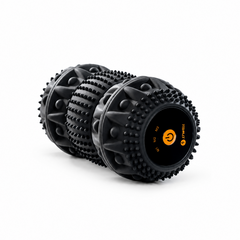
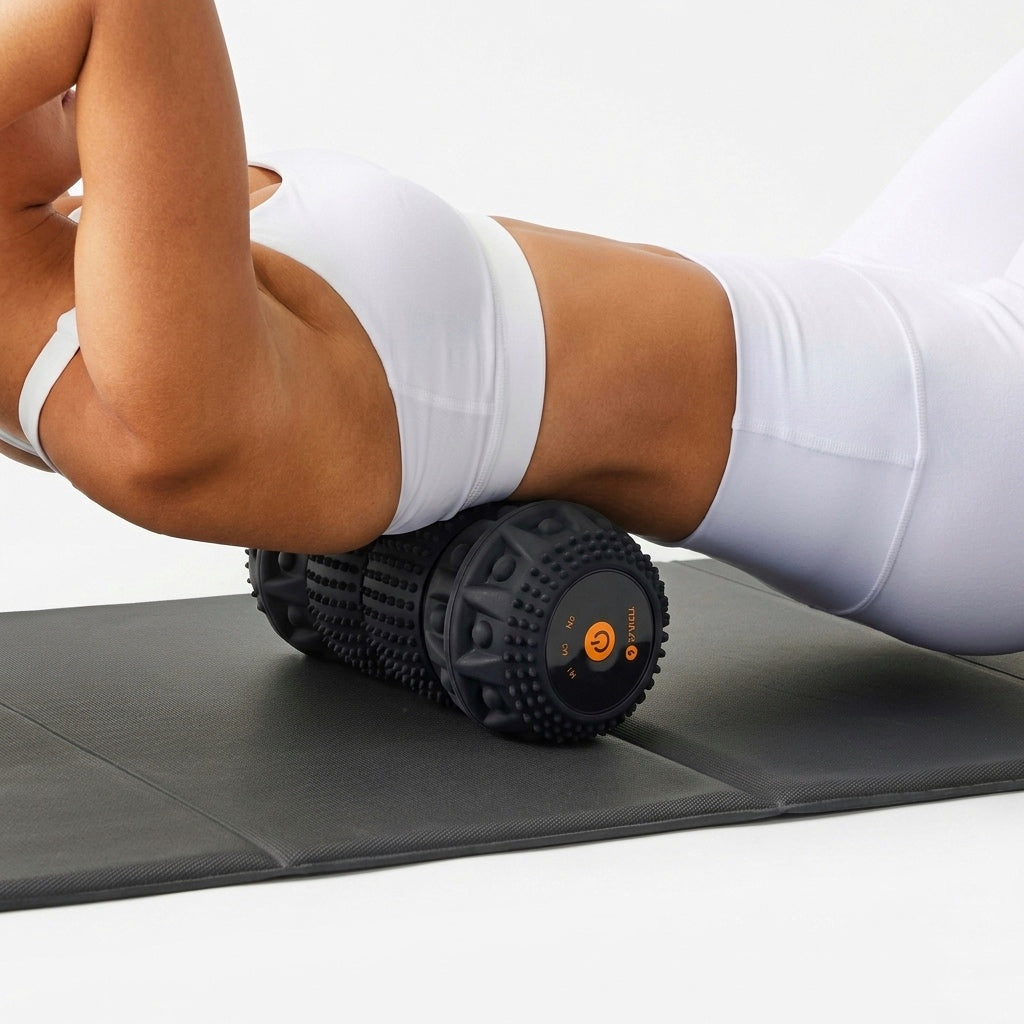
| Broad self-massage | vibrating foam roller | Don't force deep pressure into very sore muscles. |
| Warmth or cooling | Hot and cold therapy | Protect your skin; don't use temperature treatments to mask concerning symptoms. |
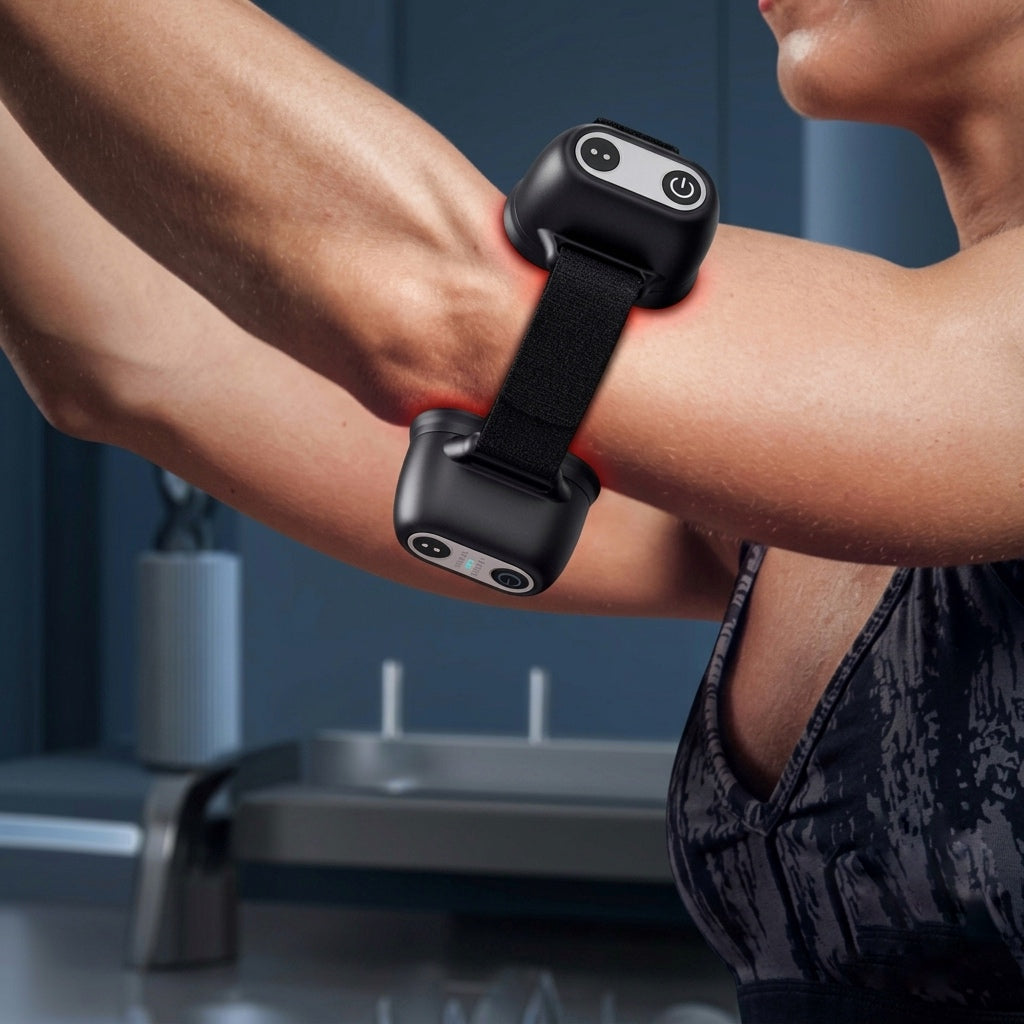
| A light-based routine | Red light therapy | Evidence for post-exercise recovery is mixed and device-specific. |
If gentle percussion massage is already familiar, the 17Well EM2 Mini Massage Gun is an option to explore when comfortable—not a reason to work through pain.
For general timing questions, see our guide to using a massage gun before or after a workout.
If an area is swollen, unusually tender, or painful in a way that feels different from ordinary soreness, skip the device and seek appropriate advice.
Less Sore Doesn't Always Mean Ready to Run
By day two, the stairs may feel easier. It's tempting to interpret that as permission to train again.
But less soreness isn't the same as full recovery. Consider your energy, walking comfort, sleep, and any lingering localized pain.
Returning to running should be gradual and individualized, not based on someone else's social-media timeline.
The first 48 hours are a starting point, not a deadline.
Marathon Recovery FAQs
How Long Does It Take to Recover From a Marathon?
Marathon recovery time varies. Soreness may improve within days, while readiness for normal training can take longer. Race effort, training history, and individual response all matter. Don't use a fixed number of days as a guarantee.
Is It Normal to Feel Exhausted Two Days After a Marathon?
Yes, some fatigue can linger beyond 48 hours, even when your legs feel better. You may also feel mentally drained or sleep differently. Prioritize rest and regular meals. Severe, worsening, or unusual symptoms deserve medical attention.


コメントを書く
このサイトはhCaptchaによって保護されており、hCaptchaプライバシーポリシーおよび利用規約が適用されます。