




You've followed your training plan for months. Now, with race day approaching, you're suddenly questioning everything.
Maybe your legs feel heavier than usual. Maybe you missed a workout and want to make up for it. Or perhaps that new pair of running shoes looks tempting.
The week before a marathon can bring out the urge to do more, just when doing less may be the smarter choice.
Here's what to avoid—and where your attention is better spent.
Don't Turn Your Last Easy Run Into a Fitness Test
A shorter training schedule can make even experienced runners restless. You might wonder whether you're losing fitness or should squeeze in one final hard session.
That's the uncomfortable part of the marathon taper: you're used to building toward something, and suddenly your job is to hold back.
But extra intensity this close to race day is unlikely to improve your fitness in time. It may simply add fatigue.
Follow the taper in your established training plan. If Tuesday calls for an easy run, resist checking whether you can still hit your fastest pace.
Race week isn't the time to prove you're ready.
That New Pair of Shoes Can Wait Until After the Race
You spot a lighter pair of shoes at the running store. A friend recommends an energy gel you've never tried. Someone online has a completely different hydration strategy.
Each idea sounds reasonable on its own. The problem is the timing.
Unfamiliar shoes can cause rubbing or blisters. New foods and gels may upset your stomach. And a last-minute fueling change can leave you guessing about what works.
During marathon race week, familiar is usually the safer choice.
Wear the kit you've tested on long runs. Stick with your practiced breakfast and fueling plan, adjusting only when appropriate for the conditions and your individual needs.
There's plenty of time to experiment after the race.
Tight Legs? Resist the Urge to Fix Everything
A slightly tight calf can feel much more alarming when you've got a marathon coming up.
Before reaching for a recovery tool, consider whether the sensation is familiar. Mild tightness after training is different from sharp pain, new swelling, significant tenderness, or a change in how you walk.
Don't try to massage through concerning symptoms. If pain is new, severe, or worsening, seek appropriate medical advice before racing.
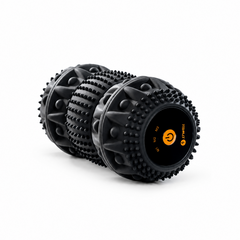
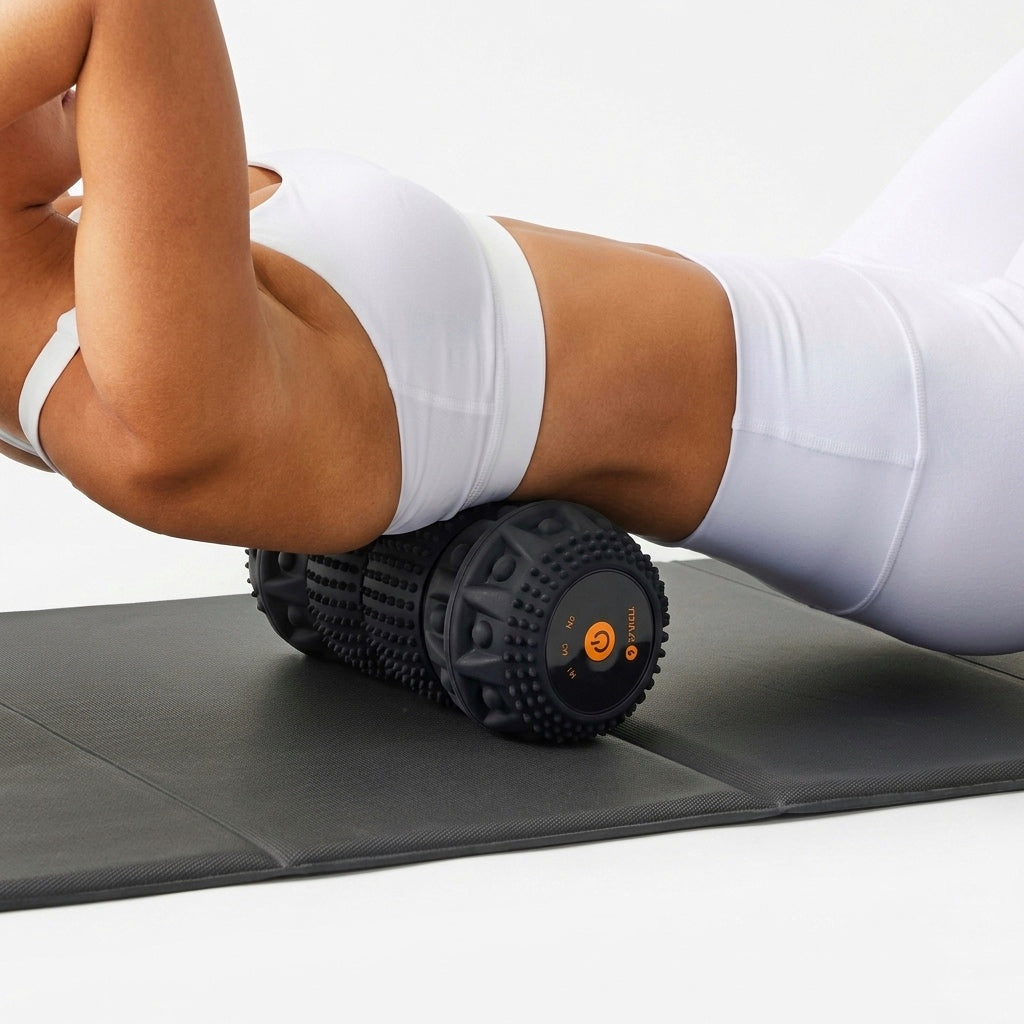
For runners who already use gentle self-massage, there's no need to suddenly intensify the routine. A vibrating foam roller may feel comfortable over a larger muscle area, while a massage gun offers a more targeted sensation.
Neither tool is essential, and harder pressure doesn't mean better results. Avoid injured or swollen areas and follow the device's safety instructions.
For more on timing and everyday use, see our guide to using a massage gun before or after a workout.
If you're considering a compact massage gun for your regular training routine, the 17Well EM2 Mini Massage Gun is one option to explore after race week, rather than introducing unfamiliar equipment days before the start.
Don't Judge Your Race by One Night of Sleep
You've laid out your kit and set two alarms. Everything is ready, except you can't fall asleep.
Pre-race nerves are common. One restless night doesn't automatically determine how you'll perform, although adequate sleep remains important.
Focus on maintaining a consistent sleep routine throughout the week instead of trying to force a perfect night before the race.
Avoid experimenting with unfamiliar sleep aids. If you can't drift off immediately, put the clock out of sight and give yourself an opportunity to rest.
The Final 48 Hours: Check the Details, Not Your Fitness
In the final two days, practical preparation deserves more attention than another fitness check.
| Before Race Day | What to Confirm |
|---|---|
| Race logistics | Start time, transportation, arrival instructions, and bag-drop rules |
| Race kit | Bib, shoes, socks, familiar clothing, and weather-appropriate layers |
| Fueling | Tested breakfast, gels, and hydration plan |
| Equipment | Charged watch and any accessories permitted by the organizer |
| Health | No concerning illness, injury symptoms, or unexplained pain |
Check the race organizer's latest instructions, especially if you're traveling to an unfamiliar city.
A little planning now can prevent unnecessary stress on race morning.
The Bottom Line
The best preparation before a marathon isn't always something extra.
Stick with the training, equipment, and routines you've already tested. Pay attention to genuine warning signs, and leave last-minute experiments for another day.
Once you've crossed the finish line, the priorities change. That's when it makes sense to think about rest, nutrition, and your first 48 hours of marathon recovery.


Leave a comment
This site is protected by hCaptcha and the hCaptcha Privacy Policy and Terms of Service apply.