


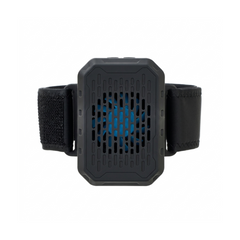



A drawer full of muscle recovery tools does not automatically create a recovery routine. In fact, every extra charger, attachment, setting, and storage case can make the routine harder to start.
A better approach is to choose the smallest useful kit. Start with the job you want a tool to perform, then compare how each format makes contact, what you must control, and how much setup it adds. That shifts the question from “Which gadget has the most features?” to “Which tool will I use consistently and according to its instructions?”
The right answer may be one compact device, a broader roller, a wearable wrap, or no device at all on a given day.
Separate Recovery From Recovery Gear
Recovery is not a product category. Sleep, nutrition, hydration, and sensible training decisions still shape the routine around every device. Gear can add a practical ritual or a particular type of contact, but it cannot replace those foundations.
That distinction matters because evidence is not equally strong for every recovery method, device, outcome, or user. A narrative review of recovery strategies for athletes describes training periodization, sleep, and nutrition as fundamentals, while treating many devices and techniques as optional additions with varying evidence. It also warns against letting new technology displace the basics (read the peer-reviewed review).
Use that boundary when shopping. A manufacturer can document settings, attachments, timers, materials, or battery details. Those specifications tell you how the product operates. They do not, by themselves, prove that it will speed tissue repair, prevent injury, or produce a specific health outcome.
Before buying equipment, ask whether the actual gap is simpler: more sleep, a meal after training, a water bottle within reach, or a less aggressive week of exercise. If the foundation is in place and a tool would make a routine easier to follow, then format becomes a useful decision.
Name the Job Before You Compare Muscle Recovery Tools
“Recovery” is too broad to guide a purchase. Replace it with a description of the interaction you want. Do you want to guide a small contact point with your hand, distribute pressure across a larger surface, apply a selected temperature through a wrap, or run a hands-free timed session?
Those jobs involve different controls and different kinds of friction.
| Format | Contact pattern | Main control | Common routine friction | Questions worth asking |
|---|---|---|---|---|
| Targeted percussion | Small, movable contact point | Location, hand pressure, speed, attachment | You must hold and guide it; small parts need storage | Is it comfortable to grip? Are the controls easy to change? Do the heads have a clear purpose? |
| Broad rolling | Wide contact across a roller surface | Body position, body weight, speed, vibration mode if powered | Requires floor or wall space and active repositioning | Is the size practical? Can you control pressure without awkward positions? |
| Hot/cold wrap | Stationary temperature interface | Setting, session time, wrap placement | Needs skin checks, a suitable fit, charging, and clear temperature instructions | Are settings and timers explicit? Does the wrap fit the intended area securely? |
| Timed light wrap | Stationary, hands-free panel or wrap | Placement, timer, hardware specification | Requires consistent positioning and product-specific precautions | Are wavelength and output specifications available? Are photosensitivity precautions clear? |
The table is not a scorecard. It is a way to identify the control system you are willing to manage. A powerful specification is not useful if the product is difficult to position, unpleasant to hold, always uncharged, or stored somewhere you never see it.
Four Formats, Four Different Control Systems
Targeted percussion: location and hand pressure
A massage gun gives the user a small, movable contact point. That makes it a logical format when you want precise control over a small area. The important variables are not only speed or maximum impact rate. Grip, reach, attachment changes, noise, and the clarity of the instructions all influence whether the tool fits a short routine.
Because the hand guides the device, the user is also part of the control system. More pressure is not automatically better. A mild setting, light contact, and deliberate placement are more useful starting points than treating the highest speed as the default.
When comparing compact models, check whether you can reach the intended area without twisting, whether the controls can be changed easily, and whether each included head has a documented use. If you are deciding between a point-contact device and a roller, the existing guide to foam rollers versus massage guns goes deeper into that narrower choice.
Broad rolling: body position and surface area
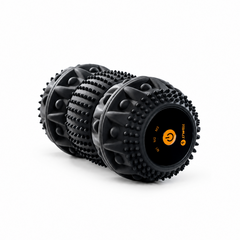
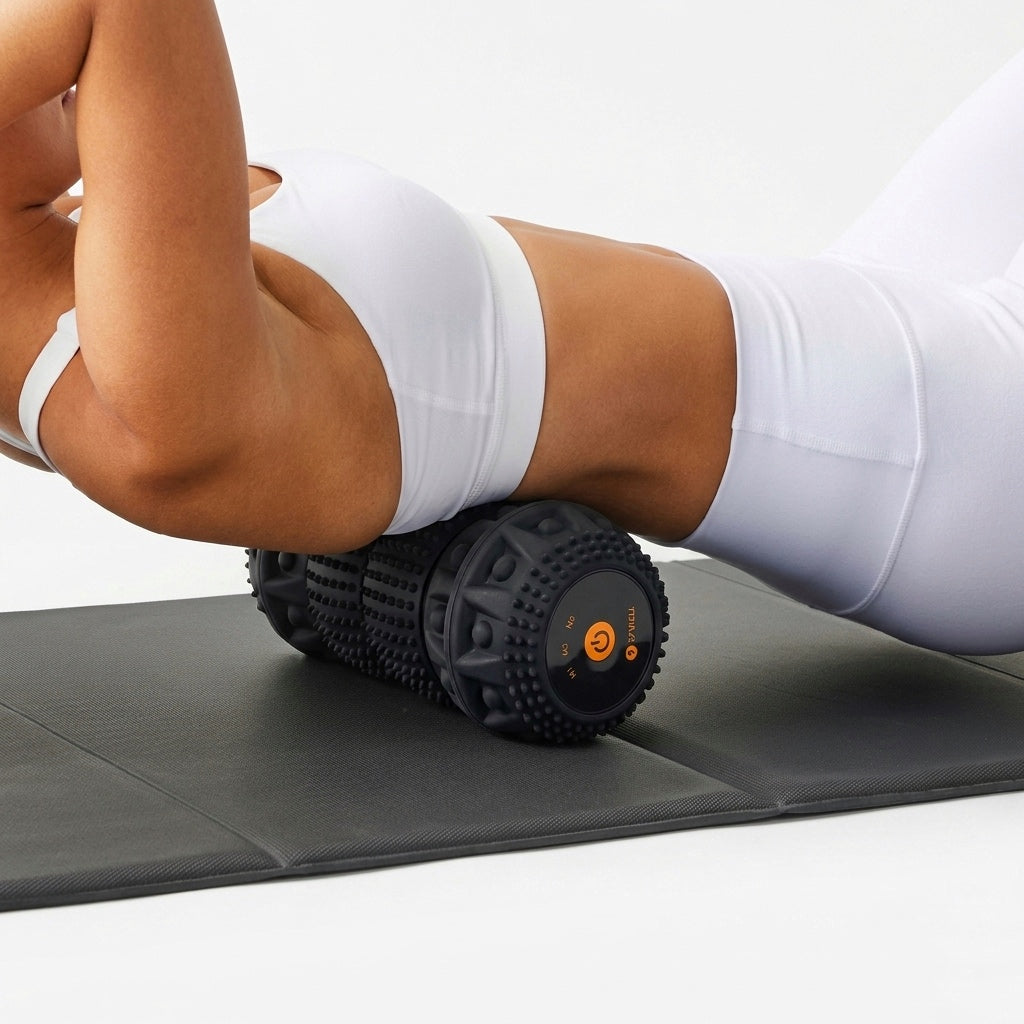
A roller spreads contact across a larger surface. Instead of steering a small head, you change body position and decide how much weight to place on the roller. A powered vibrating roller adds speed or mode controls, but the physical setup still matters.
This format can make sense when you prefer a floor-based mobility ritual with contact spread across a larger surface. It can be a poor fit when floor space is limited, getting down and up is inconvenient, or the roller will live in a closet behind other equipment.
Compare diameter, length, surface shape, vibration modes, charging method, and storage location. More texture or vibration is not inherently more appropriate. The useful question is whether you can position the roller comfortably and adjust contact without forcing an awkward posture.
Temperature wraps: setting, time, and skin interface
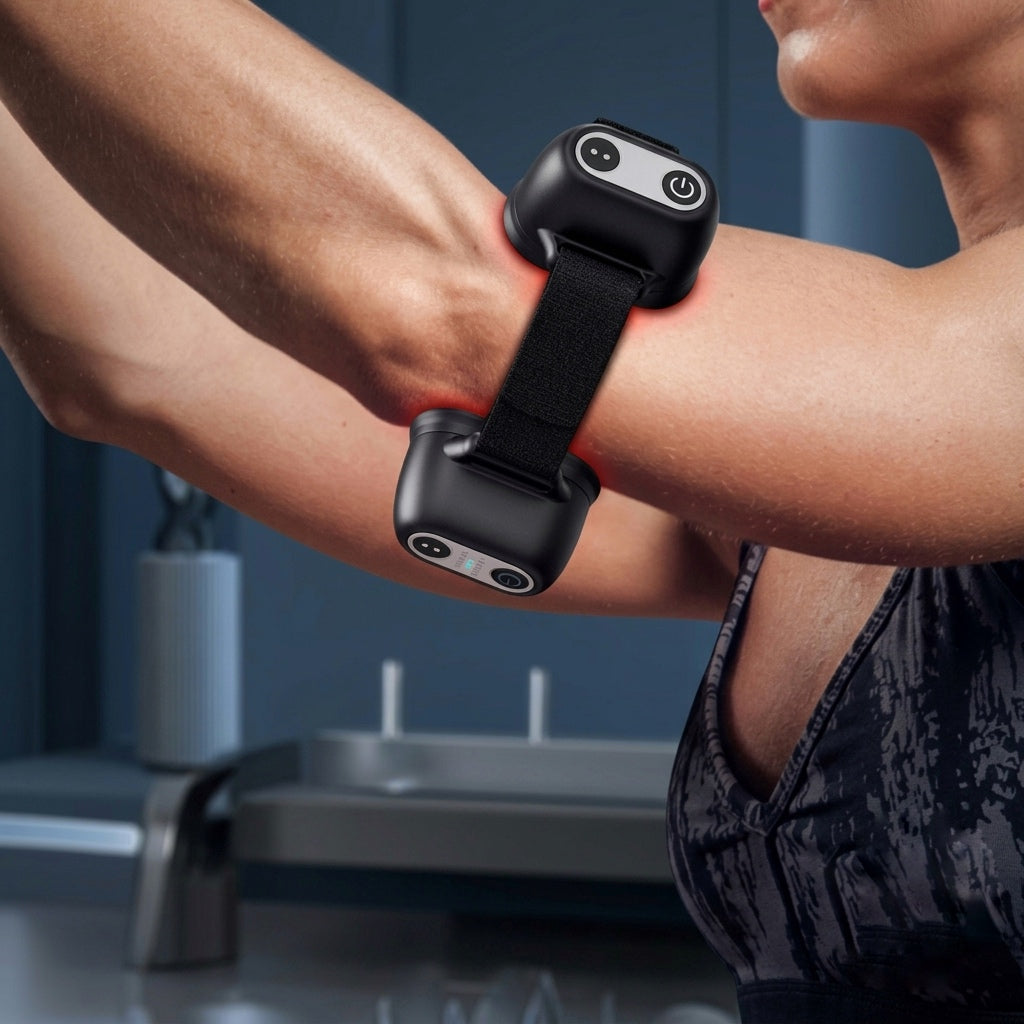
A temperature wrap changes the decision from pressure control to temperature, duration, fit, and skin contact. A rechargeable design may reduce the need for a freezer pack or microwave, but it introduces charging and device-specific operating limits.
Look for clearly labeled warm and cool settings, a timer, a wrap that stays in place without excessive compression, and instructions that explain direct-skin use or any required barrier. A contrast mode may automate a sequence between cooling and warming. It should still be treated as a product setting—not proof that the sequence is appropriate for every person or situation.
Temperature tolerance differs, and reduced sensation can make self-monitoring harder. If an injury, medical condition, altered sensation, or uncertainty may affect hot or cold use, seek individualized guidance before adding the tool.
Timed light wraps: placement and passive setup
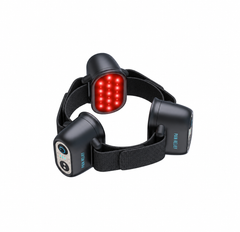
A wearable light device offers a different kind of routine: place the wrap, choose a timer, and remain relatively still. That hands-free setup may appeal to someone who does not want to hold a device or use body weight on a roller.
Here, the purchasing questions are hardware-specific. Check the stated wavelengths, output information, treatment area, timer choices, eye-safety instructions, skin-contact guidance, and photosensitivity precautions. If a seller does not provide a specification that matters to your decision, do not fill the gap with assumptions.
The word “therapy” in a product name also does not establish medical status or a guaranteed result. Read the current product disclaimer and instructions. People with relevant conditions, medications, or light sensitivity should obtain professional guidance rather than relying on generic product copy.
What the framework looks like in one product lineup
17Well’s current catalog illustrates how products can map to four control systems without implying that everyone needs all four.
- The 17Well Mini Massage Gun uses targeted percussion with four speeds, four interchangeable heads, USB charging, and a manufacturer-listed maximum of up to 4,000 impacts per minute.
- The RECOVERO ROLL uses broad rolling with three fixed vibration speeds plus an AUTO mode. Its official page also lists an LED battery indicator and an advertised battery duration of up to 120 minutes; actual duration can vary with use.
- The Red & Infrared Light Therapy Wrap uses hands-free placement, one-button operation, and 5-, 10-, or 15-minute timer settings. 17Well identifies it as a wellness product rather than a medical device.
- The Cooling & Heating Therapy Pad uses three cool settings, three warm settings, and a 30-minute contrast mode that switches from 15 minutes of cooling to 15 minutes of warming.
These details describe interfaces, settings, and setup. They are not independent evidence that one product will deliver a particular recovery outcome. Use them to compare routine fit, then check the latest instructions before use.
Build a Starter Kit Around Friction, Not Features
The best starter kit is often the one with the fewest failure points. Imagine the routine before comparing feature counts.
If you want a short, targeted session after the gym and do not mind holding a device, compact percussion may fit. If you already have floor space and enjoy active mobility work across the legs or back, a roller may be easier to integrate. If you prefer to sit still with a device secured around one area, a timed wrap may match the routine better.
Context changes the answer. A large roller can be easy to use at home and annoying to pack. A small handheld device is simple to store. It may still be difficult to use on a hard-to-reach area. A wrap leaves your hands free during a session. Poor fit or an inaccessible charger can still keep it out of the routine.
Do not buy a second format until the first has a defined job. If two tools solve the same problem in the same way, one may become clutter. If they offer genuinely different contact patterns and both have a place in the week, a two-tool kit may be reasonable.
Run Safety Filters Before You Add Intensity
Recovery tools are not a test of pain tolerance. A University of Washington Medicine guide recommends establishing recovery basics, following the manufacturer’s instructions, and avoiding the assumption that pushing a device to its limit creates a better result. It also advises using direct-pressure tools on muscle and keeping them away from bony areas (review the general safety guidance).
Use a conservative starting filter:
- Read the current manual for the exact model, including placement limits, session length, charging, cleaning, and contraindications.
- Begin with a mild setting and a brief session. Change one variable at a time.
- Keep percussion and firm rolling away from bones, joints, the front of the neck, and areas that are injured, bruised, swollen, irritated, or unusually sensitive.
- Check the skin during temperature or wearable-device sessions. Stop if you notice pain, burning, numbness, marked irritation, or another unexpected response.
- Do not use generic internet advice as a substitute for individualized guidance when an injury, medical condition, altered sensation, pregnancy, implanted device, photosensitivity, or medication may change what is appropriate.
For product-specific boundaries, use the current manual and the brand’s selection and safety FAQs. If those sources conflict or leave an important question unanswered, pause rather than guessing.
The Five-Question Starter-Kit Test
Before adding any muscle recovery equipment at home, in a gym bag, or beside a desk, answer five questions:
- What exact area and routine am I planning for? “My legs after running” is more useful than “total recovery.”
- Do I want targeted or broad contact? This separates a handheld point-contact tool from a roller early.
- Do I want active control or a hands-free setup? Holding, rolling, and wearing are different commitments.
- Can I keep it charged, clean, and accessible? A tool stored out of sight is easy to skip.
- Are the instructions and safety limits clear? Missing specifications should narrow confidence, not invite assumptions.
If a product does not pass these questions, extra modes will not fix the mismatch.
Choose the Routine First
Useful muscle recovery tools do not need to fill a room. One format with a clear job, manageable controls, and a realistic storage place can be a better starting point than a collection of overlapping devices.
Protect the fundamentals first. Then choose between targeted contact, broad rolling, temperature control, or a hands-free timed setup. Compare current specifications and instructions only after that choice is clear. If targeted percussion matches the job, review the current massage gun specifications before choosing a model. The goal is not to own every recovery format; it is to build a routine you can understand, use, and reassess.


댓글 남기기
이 사이트는 hCaptcha에 의해 보호되며, hCaptcha의 개인 정보 보호 정책 과 서비스 약관 이 적용됩니다.